Kenyan Ruby Gemstone: The King of Gems – Kenya's Fiery Red Treasure
Natural African Gemstones | African Gemstone
Introduction: The Most Valuable Colored Gemstone on Earth
Ruby is the most valuable variety of the corundum mineral species, commanding the highest per-carat price of any colored stone. This makes ruby one of the most important gems in the colored stone market, with record auction prices exceeding $1,000,000 per carat. As the official birthstone for July and the gem for the 15th and 40th anniversaries, ruby has been treasured by royalty and nobility throughout history.
In its purest form, the mineral corundum is colorless. Chromium is the trace element that causes ruby’s signature red color, making it the “rock star” of trace elements. Fine ruby glows with intense red in sunlight thanks to red fluorescence, which intensifies its red color—a quality that ruby aficionados greatly admire.
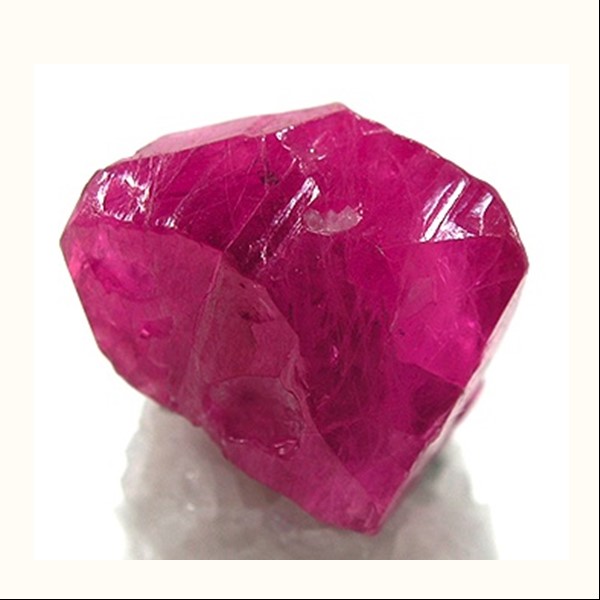
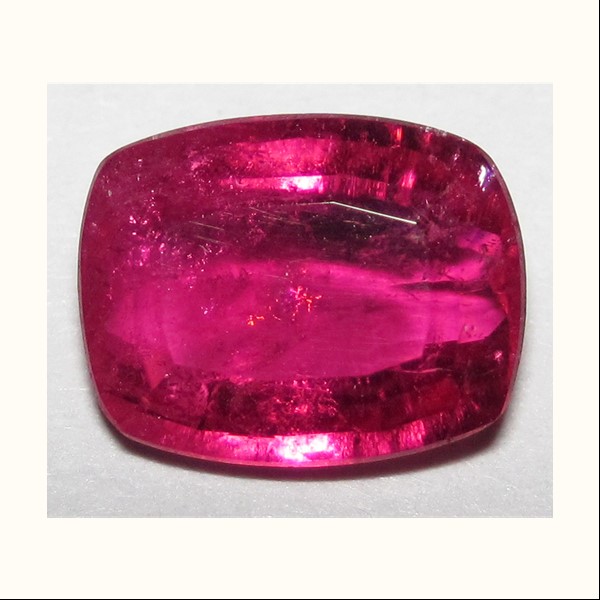
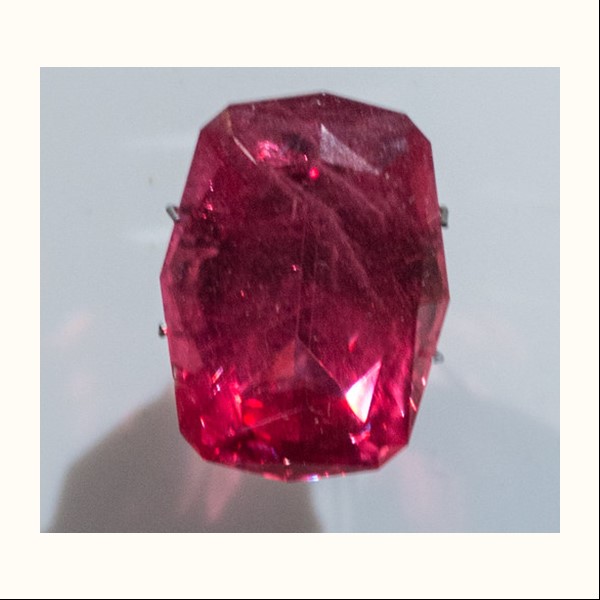
At African Gemstone, we proudly showcase natural Kenyan ruby gemstones, including exceptional specimens from Kenya and Tanzania, delivering authentic Natural African Gemstones with exceptional quality and value.
What Is Ruby? The Science Behind the King of Gems
Ruby is gem-quality red corundum (Al₂O₃), deriving its characteristic color from chromium traces. All other color varieties of gem-quality corundum are classified as sapphire. Most gemological authorities expect a medium to medium-dark red color tone in a genuine ruby. Stones with lighter coloration are designated as pink sapphire, though there’s no universal agreement on where to draw this line.
Key Gemological Properties
Property | Value |
Mineral | Corundum |
Chemical Composition | Al₂O₃ (Aluminum Oxide) with chromium |
Crystal System | Trigonal — doubly refractive |
Mohs Hardness | 9 (second only to diamond) |
Color | Red to slightly purplish red (“pigeon’s blood”) |
Refractive Index | 1.762 – 1.770 |
Birefringence | 0.008 – 0.010 |
Specific Gravity | 4.00 (+/- 0.05) |
Luster | Vitreous to adamantine |
Transparency | Transparent to translucent |
Pleochroism | Strong (dual red tones: blood-red and orange-red) |
Fluorescence | Strong red under UV light (especially Myanmar rubies) |
Treatments | Heat, fracture filling, diffusion, dyeing |
Birthstone | July |
Anniversary Stone | 15th and 40th |
Why Ruby Is So Hard and Durable
Corundum possesses a hardness of 9 on the Mohs scale, second only to diamond among natural gems. Additionally, it lacks cleavage planes, making ruby an outstanding jewelry stone particularly suitable for everyday-wear items like ruby rings and ruby engagement rings. Ruby is not a soft stone and is perfect for everyday wear, ranking 9 on the hardness scale and able to withstand wear and tear.
Discovery and Origin: Global Sources with African Excellence
Historical Discovery
- Ancient times: Rubies traded along the North Silk Road in China as early as 200 B.C.
- Ancient Sanskrit: Ruby was called ratnaraj*, meaning “king of precious stones”
- 1960: The first laser was created using red fluorescent light emitted from ruby
Major Mining Regions
Country | Mining Region | Characteristics |
Myanmar (Burma) | Mogok Valley | Most prized; “pigeon’s blood” red, strong fluorescence, record prices |
Mozambique | Montepuez (discovered 2009) | Rapidly growing source; colors range from Myanmar-like to Thai-like |
Thailand/Cambodia | Chanthaburi, Trat | Exceptional clarity, high iron content, garnet-like red, no fluorescence |
Sri Lanka | Gem gravels | Bright red to purple-pink, strong fluorescence, asterism common |
Vietnam | Luc Yen, North of Hanoi | Fine color comparable to Myanmar, lower clarity, trending pink |
Madagascar | Vatomandry, Andilamena | Lighter/brighter (Vatomandry) or darker/less clean (Andilamena) |
Kenya | Taita-Taveta County | Magnificent when clean, strong fluorescence, facet-grade rare |
Tanzania | Songea, Anyolite deposits | Dark garnet-like color trending orange, principal source of anyolite |
Afghanistan | Jegdalek | Rivals fine Mogok stones, facetable material scarce, strong fluorescence |
Pakistan | Various | Fine-quality red corundum |
African Ruby: Kenya’s Gemological Treasure
Kenya is home to some of the most precious gemstones in the world, with Taita-Taveta producing over 40 valuable gemstones, including rubies. Stones from Kenya and Tanzania appear magnificent when clean, but facet-grade material remains rare. Like Myanmar specimens, much of this material shows strong fluorescence.
Kenyan rubies are highly sought-after for their vibrant colors. Like Madagascar, Kenya is able to produce basalt and marble hosted rubies of gem quality. Beginning in the mid-1990s, mines near Songea (Tanzania) began producing material with a dark, garnet-like color trending toward orange. While technically ruby, this material remains marginal due to its high iron content.
The 4Cs of Ruby: Quality Factors That Determine Value
1. Color: The Most Critical Factor (60% of Value)
Color is the most significant factor affecting a ruby’s value. Fine gems are a pure, vibrant red to slightly purplish red.
Attribute | Description |
Hue | Pure red to slightly purplish red is most valuable. “Pigeon’s blood” red is the gold standard |
Tone | Medium to medium-dark is ideal. Too light = pink sapphire; too dark = loses brilliance |
Saturation | Vivid, intense saturation commands highest prices. Fluorescence enhances red color |
Color Categories by Origin:
- Burmese (Myanmar): Bright, vivid red with bluish undertone, “pigeon’s blood” red, natural fluorescence
- Thai: Deeper, wine-toned red with hints of brown or purple, excellent clarity, high iron content
- Mozambican: Colors range from Myanmar-like to Thai-like, diverse sizes, treated and untreated
- Kenyan/Tanzanian: Magnificent when clean, strong fluorescence, facet-grade rare
A stunning 0.8-carat ruby will always outperform a dull 1.5-carat stone in person. Color drives 60% of value. Don’t chase carats at the expense of visual impact.
2. Clarity: Type II Gemstone
Rubies are classified as Type II gemstones (some minor inclusions that may be eye-visible).
Common inclusions under magnification:
- Silk: Fine threads of rutile (can create asterism/star effect)
- Scratches: Thin white surface scrapes
- Fingerprints: Cloudy inclusions resembling fingerprints
- Color zoning: Uneven color distribution
- Scratches, feathers, crystals
If a ruby’s inclusions affect its transparency or brilliance, they reduce the gem’s value significantly. Red garnets generally do not have eye-visible inclusions, while rubies can contain nine types of inclusions.
3. Cut: Maximizing Color and Brilliance
Rubies are commonly fashioned as mixed cuts, which have brilliant-cut crowns and step-cut pavilions. Custom-cut and recut stones typically command higher per-carat values than native or commercial-cut specimens.
Popular cuts:
- Oval: Most popular, maximizes color
- Cushion: Excellent brilliance
- Round: Classic, high value
- Emerald: Step cut, shows clarity
- Cabochon: For star rubies (asterism)
4. Carat Weight: Exponential Scarcity
Fine-quality rubies over one carat are very rare and price goes up significantly as size increases. Ruby prices do not increase linearly with carat weight. Instead, larger rubies, particularly those over 1 carat with high-quality color and clarity, command premium prices due to their rarity.
Carat Weight | Price Range Per Carat (Approx.) | Notes |
0.50 – 1.00 ct | $500 – $5,000 | Smaller rubies with good color/clarity are more affordable |
1.00 – 2.00 ct | $2,000 – $10,000+ | Fine-quality rubies increase significantly |
2.00 – 5.00 ct | $5,000 – $50,000+ | Larger rubies with top color are rare |
5.00+ ct | $20,000 – $100,000+ | High-quality, untreated rubies extremely valuable |
Large, gem-quality rubies can be more valuable than comparably sized diamonds and are certainly rarer. In fact, smaller blue sapphires (1-3 carats) appear relatively abundant compared to small, gem-quality rubies.
Ruby Price and Value: Investment Guide 2025–2026
Original ruby stone price ranges from INR 5,000 to INR 2 lakhs per carat (approximately $60 – $2,400 USD). Premium-quality ruby gems stand among the world’s most expensive gemstones, with record prices exceeding $1,000,000 per carat.
Key value factors:
- Color quality: “Pigeon’s blood” red commands highest prices
- Origin: Myanmar rubies command significant premiums
- Treatment history: Untreated rubies are rare and command premium prices
- Clarity: Eye-clean stones are exceptionally rare
- Carat weight: Larger rubies are exponentially rarer
Rubies are valuable due to their exceptional durability, vibrant red color, and rarity. Fine-quality rubies with the coveted “pigeon’s blood red” color from premium sources like Myanmar represent some of the world’s most expensive gemstones.
Ruby Treatments: What You Need to Know
Rubies undergo more treatments than almost any other gemstone, significantly affecting their market value.
Common Ruby Treatments
Treatment | Description | Value Impact |
Heat Treatment | Most widely used (1600°C–1800°C); enhances color and clarity | Acceptable if disclosed; doesn’t drastically reduce value |
Fracture Filling | Fills surface-reaching cracks with glass/resin | Reduces value; less durable, more noticeable over time |
Lead Glass Filling | Infuses lead glass into significant fractures | Significantly reduces value; durability and quality reduced |
Diffusion Treatment | Beryllium added during heating to improve color | Reduces value; less valuable than natural or heat-treated |
Dyeing | Adds color to low-quality stones | Significantly reduces value |
Unless a seller explicitly states that a stone is unheated, you should assume some form of heat treatment has been applied. Simple heat treatment is stable and acceptable with proper disclosure, but diffusion coloring or filling with polymer/lead glass is less accepted and significantly reduces value.
Ruby vs. Garnet: How to Tell the Difference
Feature | Ruby | Red Garnet |
Hardness | 9 (second only to diamond) | 6.5–7.5 |
Color | Fiery red, cooler undertone (purple/blue hints) | Deeper red, warmer undertone (yellow/orange hints) |
Refractive Index | 1.762–1.770 | 1.74–1.94 |
Fluorescence | Strong red fluorescence under UV | Generally no fluorescence |
Light Reflection | Absorbs green/yellow; no rainbow bands | Shows rainbow bands (yellow/green) |
Inclusions | Silk, fingerprints, color zoning | Typically eye-clean, watery-clear |
Price | $500–$100,000+/ct | $100–$3,000/ct |
Varieties | Only red | Multiple colors (red, green, orange, blue, black) |
Key difference: Rubies absorb green and yellow light, giving them a more saturated blood-red shade with cooler undertones. Garnets reflect a rainbow of colors including yellow and green bands when held to light.
Ruby Jewelry: Best Settings and Uses
Ruby’s hardness of 9 and lack of cleavage make it excellent for everyday jewelry, including engagement rings.
Popular Ruby Jewelry Applications
Jewelry Type | Why It Works |
Engagement Rings | Exceptional durability for daily wear; symbol of passion and love |
Rings (cocktail, statement) | Hardness withstands wear and tear |
Earrings | Brilliant red color creates striking impact |
Pendants | Vibrant color stands out beautifully |
Bracelets | Durable for everyday wear |
Best Ruby Ring Settings
- Prong Setting – Classic and elegant; maximizes ruby’s visibility and sparkle
- Halo Setting – Enhances sparkle and perceived size
- Bezel Setting – Protects edges; modern look
- Three-Stone Setting – Symbolizes past, present, future
Yes, rubies make excellent everyday jewelry stones due to their exceptional hardness (9 on Mohs scale) and lack of cleavage planes. This durability makes ruby rings, including ruby engagement rings, suitable for daily wear.
Care and Cleaning: Maintaining Your Ruby’s Beauty
Recommended Practices ✅
- Warm soapy water is always safe
- Ultrasonic cleaners are usually safe for untreated, heat-treated, and lattice diffusion treated stones
- Steam cleaners are usually safe for untreated and heat-treated rubies
- Use a soft brush when necessary
- Inspect regularly for wear or damage
What to Avoid ❌
- Fracture-filled, cavity-filled, or dyed rubies: Clean only with a damp cloth
- Harsh chemicals should be avoided, especially for treated rubies
- Ultrasonic cleaners should be avoided for fracture-filled or dyed material
- Sudden temperature changes for heavily included or fractured rubies
Cleaning steps:
- Mix warm water with mild dish soap
- Soak for a few minutes
- Gently scrub with a soft brush
- Rinse thoroughly under warm water
- Dry with a soft cloth
With proper care, ruby jewelry can remain beautiful for generations.
Ruby Meaning, History, and Symbolism
Historical Significance
- “King of Gems”: In Sanskrit, ruby is ratnaraj*, meaning king of precious stones
- Invincibility in Battle: Ancient Burmese and Chinese warriors implanted rubies into their skin before battle, believing the stones made them invincible
- Protection from Misfortune: Rubies were believed to guarantee health, wisdom, wealth, and success in love
- Blood and Life Force: Deep red color associated with the life force of blood; many cultures believed rubies held the power of life itself
- Offered to Krishna: Ancient Hindus offered rubies to the god Krishna hoping to be reborn as emperors
Symbolic Meanings
Symbolism | Meaning |
Passion and Love | Deep red color associated with intense emotions |
Power and Courage | Ancient kings wore rubies to protect against danger |
Wealth and Prosperity | Believed to bring fortune |
Energy and Vitality | Stone of emotional strength |
Heart Health | Said to strengthen the heart, improve blood circulation |
For those born in July, ruby symbolizes passion, protection, and prosperity. The birthstone’s fiery nature reflects the bold and courageous personality traits common to July-born individuals.
Ethical Sourcing: African Gemstone’s Commitment
At African Gemstone, we source ruby gemstones directly from artisanal miners in Kenya and Tanzania. Our commitment includes:
- 100% natural gemstones with full disclosure of treatments
- Ethical mining practices supporting local communities
- Full traceability from mine to market
- Certified authenticity for every stone
- Conflict-free sourcing
By buying directly from East Africa, you eliminate middlemen and receive better value while supporting sustainable gemstone mining.
Why Buy Ruby from African Gemstone?
✅ Authentic African Ruby – Sourced directly from Kenya & Tanzania
✅ Treatment Disclosure – Full transparency on heat, fracture filling, diffusion
✅ Eye-Clean Quality – Fine-quality stones available
✅ Competitive Pricing – Better value than Asian sources
✅ Expert Gemstone Knowledge – Personalized guidance for collectors
✅ Investment-Grade Stones – Rare high-color, untreated rubies available
✅ Ethical & Sustainable – Supporting East African artisanal miners
✅ Certified Authenticity – GIA, AGL, or regional laboratory reports
Ruby- Frequently Asked Questions
- Is ruby the birthstone for July?
Yes. Ruby is the official birthstone for July and the gem for the 15th and 40th anniversaries. - Are rubies rarer than diamonds?
Small, gem-quality rubies are rarer than comparably sized sapphires, and large, gem-quality rubies can be more valuable than comparably sized diamonds. - Does ruby have treatments?
Unless specifically stated as unheated, assume most commercial rubies have undergone heat treatment. Other treatments like diffusion or fracture filling significantly reduce value. - Where is ruby found?
Major sources include Myanmar (Burma). In Kenya, rubies are primarily mined in the Tsavo region (Taita-Taveta County) and Baringo County. - Is ruby suitable for engagement rings?
Yes. With hardness of 9 on Mohs scale and no cleavage, ruby is excellent for everyday wear in engagement rings. - What is “pigeon’s blood” ruby?
“Pigeon’s blood” is the most coveted ruby color: a very slightly purplish red with vivid saturation and dark tone, primarily from Myanmar’s Mogok region.
References:
- Gemological Institute of America (GIA) – Ruby Gemstone: Complete gemological data, properties, treatments, and history- https://www.gia.edu/ruby
- International Gem Society (IGS) – Ruby Jewelry and Gemstone Information: Value factors, origins, care tips, and buying guide- https://www.gemsociety.org/article/ruby-jewelry-and-gemstone-information/
- The Natural Ruby Company – Pricing Per Carat: Ruby market values by carat weight and quality- https://thenaturalrubycompany.com/education/ruby-pricing-per-carat/
- The Natural Ruby Company – Best Ruby Cleaning Methods: Care instructions for untreated and treated rubies- https://thenaturalrubycompany.com/education/best-ruby-cleaning-methods/
- USA Jewels – July Birthstone Ruby: Meaning, history, and symbolism- https://www.usajewels.com/education/about-birthstones/july
- The natural Ruby Company– https://thenaturalrubycompany.com/education/mining-locations-rubies/kenya-ruby-mines/
Ready to Own the King of Gems?
Ruby is the most valuable colored gemstone on Earth, with exceptional durability, vibrant red color, and unmatched symbolic significance. With its fiery red hue, hardness second only to diamond, and rich historical legacy, ruby remains the ultimate gemstone for collectors, investors, and jewelry lovers seeking passion and power.
Contact African Gemstone today to inquire about our exclusive collection of Natural African Ruby. Whether you’re looking for a loose stone, custom jewelry centerpiece, or investment-grade piece, we’re your trusted authority for East African gemstones.