Emerald Gemstone: The Legendary Green King of Gems
Natural African Gemstones | African Gemstone
Introduction: The Most Famous Green Gemstone on Earth
Emerald is the most famous and valuable green gemstone in the world, treasured for over 5,000 years by royalty, nobility, and collectors. As the birthstone for May and the gem for the 20th and 35th anniversaries, emerald has symbolized rebirth, love, and wisdom throughout history.
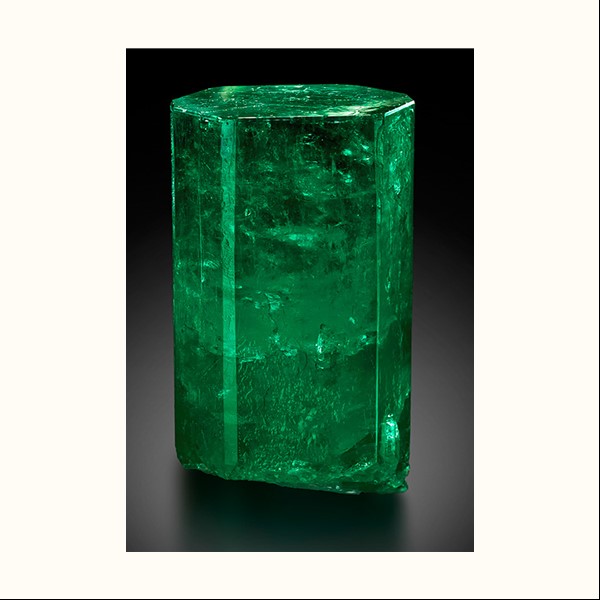
Emerald is a variety of the mineral beryl (Be₃Al₂Si₆O₁₈), colored by traces of chromium and/or vanadium. The name “emerald” comes from the Greek word “smaragdos,” meaning green stone. Fine emerald displays a vivid, saturated green with slight bluish undertones, often described as “grass green” or “vegetable green.”
At African Gemstone, we proudly showcase natural African emerald gemstones, including exceptional specimens from Zambia, delivering authentic Natural African Gemstones with exceptional quality and value. Zambian emeralds are renowned for their deep green color with bluish undertones and exceptional clarity.
What Is Emerald? The Science Behind the Green King
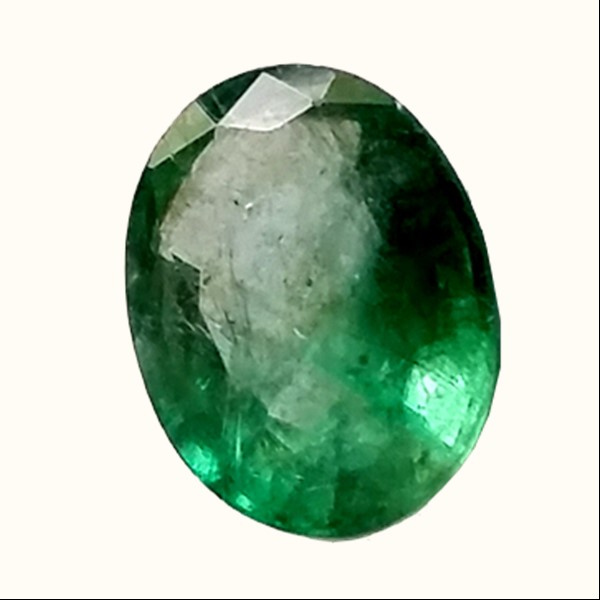
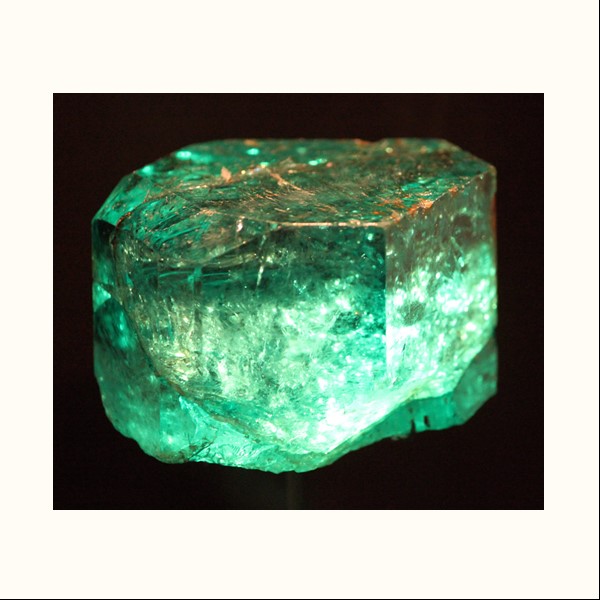
Emerald is gem-quality green beryl, deriving its characteristic color from chromium and/or vanadium traces. All other color varieties of gem-quality beryl are classified as beryl (such as aquamarine, morganite, or heliodor), but only the green variety is called emerald.
Key Gemological Properties of Emarald
Property | Value |
Mineral | Beryl (variety: emerald) |
Chemical Formula | Be₃Al₂Si₆O₁₈ with chromium/vanadium |
Crystal System | Hexagonal — doubly refractive |
Mohs Hardness | 7.5 – 8.0 (but brittle) |
Color | Green to slightly bluish-green, grass green |
Refractive Index | 1.57 – 1.58 |
Birefringence | 0.005 – 0.009 |
Specific Gravity | 2.67 – 2.78 |
Luster | Vitreous |
Transparency | Transparent to translucent |
Pleochroism | Dichroic (two colors: green and bluish-green) |
Fluorescence | Weak to none (typically inert) |
Treatments | 99%+ oil/resin-filled to improve clarity |
Birthstone | May |
Anniversary Stone | 20th and 35th |
The Mystery of “Jardin”
Unlike most gemstones where inclusions reduce value, emeralds are expected to have inclusions. These internal features are called “jardin” (French for “garden”), referring to the garden-like patterns of inclusions visible under magnification. Eye-clean emeralds are exceptionally rare and command massive premiums.
Common inclusions in emerald:
- Three-phase inclusions: Solid, liquid, and gas bubbles trapped together (signature of Colombian emerald)
- Fingerprints: Veil-like inclusions resembling fingerprints
- Feathers: Thin, feather-like fractures
- Actinolite needles: Needle-like inclusions
- Color zoning: Uneven color distribution
If an emerald appears completely inclusion-free to the naked eye, it should raise suspicion about whether it’s synthetic or treated.
Why Emerald Is Brittle Despite Hardness
Emerald has a hardness of 7.5–8.0 on the Mohs scale, second only to diamond among common gemstones. However, emerald lacks toughness due to its natural inclusions and internal fractures, making it brittle and prone to chipping if struck.
This is why emerald requires extra care in jewelry settings and wear compared to sapphires or rubies of similar hardness.
Discovery and Origin of Emarald: Global Sources with African Excellence
Historical Discovery
- 330 B.C.: Emerald mines in Egypt (Cleopatra’s mines) were the oldest known source
- 1500s: Spanish conquistadors discovered Colombian emeralds, which became the most prized
- 1970s: Major Zambian emerald deposits discovered, becoming the second-largest source
- Present: Colombia and Zambia remain the primary sources of fine emerald worldwide
Major Mining Regions
Country | Mining Region | Characteristics |
Colombia | Muzo, Chivor, Coscuez | Most prized; warm grass-green, strong fluorescence, three-phase inclusions |
Zambia | Kagem mine, Season Valley | Second-largest source; deep green with bluish undertones, excellent clarity |
Brazil | Minas Gerais, Bahia | Lighter green, often with yellowish tones, good clarity |
Ethiopia | Wegel Tena | New source (2018), vivid green, good clarity |
Zimbabwe | Sandawana | Small stones, intense green, high value per carat |
Russia | Ural Mountains | Dark green, often heavily included |
Afghanistan | Panjshir Valley | Fine quality comparable to Colombian, scarce |
Madagascar | Various | Light to medium green, good clarity |
Zambian Emerald: Africa’s Green Treasure
Zambia is the world’s second-largest emerald producer, after Colombia. The Kagem mine in Zambia is one of the largest emerald mines globally, producing exceptional quality emeralds.
Zambian emeralds are renowned for:
- Deep green color with bluish undertones (distinctive from Colombian warm green)
- Excellent clarity compared to Colombian emeralds
- Larger average sizes available
- Fewer inclusions on average
- No fluorescence (typically inert)
- Competitive pricing compared to Colombian emeralds
- Ethical, mine-direct sourcing from Africa
The bluish-green color of Zambian emerald is highly sought-after and considered by many collectors to be just as valuable as Colombian emerald, depending on color saturation and clarity.
The 4Cs of Emerald: Quality Factors That Determine Value
1. Color: The Most Critical Factor (60–70% of Value)
Color is the most significant factor affecting an emerald’s value, even more than for other gemstones.
Attribute | Description |
Hue | Pure green to slightly bluish-green is most valuable. Yellowish or grayish undertones reduce value |
Tone | Ranges from light to dark. Medium to medium-dark is ideal. Too light = green beryl; too dark = loses brilliance |
Saturation | Vivid, intense saturation commands highest prices. “Emerald green” is the gold standard |
Color Categories by Origin:
- Colombian: Warm grass-green, slightly yellowish undertone, strong fluorescence
- Zambian: Deep green with bluish undertone, no fluorescence, cooler tone
- Brazilian: Lighter green, often with yellowish tones
- Ethiopian: Vivid green, good clarity, new source
The most valuable emerald displays vivid, saturated green with slight bluish undertones (Zambian) or warm grass-green (Colombian). Color drives 60–70% of emerald value.
2. Clarity: Type III Gemstone
Emeralds are classified as Type III gemstones, meaning they typically form with visible inclusions. Eye-clean emeralds are exceptionally rare and command massive premiums.
Clarity Grades:
- Heirloom: Eye-clean, virtually inclusion-free (extremely rare)
- Best: Slight inclusions visible only under 10× magnification
- Better: Minor inclusions visible to naked eye but not distracting
- Good: Noticeable inclusions that don’t affect brilliance
- Commercial: Heavy inclusions that may affect durability
Important: Emeralds are so expected to have inclusions that a completely clean stone should be questioned for authenticity.
3. Cut: The Emerald Cut Was Created for Emeralds
Emeralds are commonly fashioned as emerald cuts (rectangular step cut with cut corners), which was specifically developed for emeralds to minimize pressure during cutting and showcase color. A well-cut emerald features:
- Perfect symmetry
- Tight facet alignment
- Proportional angles to maximize color
- Emerald cuts, oval, and cushion are popular
Emerald cut is named after the gemstone itself and is the most iconic emerald shape.
4. Carat Weight: Exponential Scarcity
Fine-quality emeralds over one carat are rare, and price increases significantly as size increases. Large, gem-quality emeralds are exponentially rarer than smaller stones.
Carat Weight | Price Range Per Carat (Approx.) | Notes |
0.50 – 1.00 ct | $500 – $5,000 | Smaller emeralds with good color/clarity |
1.00 – 2.00 ct | $2,000 – $10,000+ | Fine-quality emeralds increase significantly |
2.00 – 5.00 ct | $5,000 – $30,000+ | Larger emeralds with top color are rare |
5.00+ ct | $10,000 – $100,000+ | High-quality, untreated emeralds extremely valuable |
Large, gem-quality emeralds can be more valuable than comparably sized diamonds. Fine Colombian emeralds over 5 carats have sold for over $1,000,000 per carat at auction.
Emerald Price and Value: Investment Guide 2025–2026
Premium-quality emerald gems stand among the world’s most expensive gemstones, with record prices exceeding $1,000,000 per carat for top Colombian emeralds at auction.
Key value factors:
- Color quality: Vivid, saturated “emerald green” commands highest prices
- Origin: Colombian emeralds command significant premiums; Zambian is highly valued
- Treatment history: Untreated emeralds are extremely rare and command massive premiums
- Clarity: Eye-clean stones are exceptionally rare
- Carat weight: Larger emeralds are exponentially rarer
Emeralds are valuable due to their historical significance, vibrant green color, and rarity. Fine-quality emeralds with the coveted “emerald green” color from premium sources like Colombia and Zambia represent some of the world’s most expensive gemstones.
Emerald Treatments: What You Need to Know
Emeralds undergo more treatments than almost any other gemstone, with 99%+ of commercial emeralds being oil-filled or resin-treated to improve clarity.
Common Emerald Treatments
Treatment | Description | Value Impact |
Oil Filling | Cedar oil or synthetic oil fills surface-reaching fractures | Standard practice; acceptable if disclosed; doesn’t drastically reduce value |
Resin Filling | Synthetic resin fills larger fractures | Reduces value; less stable than oil |
Fracture Filling | Glass or polymer fills significant fractures | Significantly reduces value; durability compromised |
No Treatment | Completely natural, untreated emerald | Extremely rare; commands massive premium (2–10× price) |
Unless a seller explicitly states that a stone is untreated, you should assume some form of oil or resin treatment has been applied.
Disclosure is critical: Always ask about treatment. A gemological report from GIA, AGL, or GRS should specify the degree of treatment (none, insignificant, minor, moderate, significant).
Emerald vs. Tsavorite Garnet: Which Green Gem Is Right for You?
Feature | Emerald | Tsavorite Garnet |
Hardness | 7.5–8.0 (but brittle) | 7.0–7.5 (tougher) |
Refractive Index | 1.57–1.58 | 1.734–1.756 |
Clarity | Heavily included (jardin expected) | Eye-clean (Type I gemstone) |
Treatments | 99%+ oil/resin-filled | None (almost always untreated) |
Brilliance | Moderate (due to inclusions) | Excellent (higher RI) |
Price | $500–$100,000+/ct | $600–$3,000/ct |
Durability | More fragile (brittle) | More durable for everyday wear |
Color | Green to bluish-green | Grass green to emerald green |
Why Choose Emerald Over Tsavorite?
Choose Emerald if you want:
- Traditional luxury status and name recognition
- Historical significance (5,000+ years of treasured history)
- Investment potential (fine emeralds appreciate significantly)
- May birthstone significance
Choose Tsavorite if you want:
- Better durability for everyday wear (tougher, no cleavage)
- Cleaner stones (eye-clean standard vs. emerald’s jardin)
- Natural, untreated beauty (most emeralds are treated)
- Higher brilliance and sparkle
- Better affordability (comparable color at 1/3–1/10 the price)
Emerald Jewelry: Best Settings and Uses
Emerald’s hardness of 7.5–8.0 but brittle nature makes it suitable for jewelry that won’t experience heavy daily impact. While durable enough for most jewelry, it requires more care than sapphire or ruby.
Popular Emerald Jewelry Applications
Jewelry Type | Why It Works |
Earrings | Excellent choice; minimal impact risk |
Pendants (solitaire, halo) | Ideal for everyday wear; protected from impact |
Rings (occasional wear, cocktail) | Good for special occasions; avoid daily wear |
Bracelets (delicate) | Use with caution; protective settings recommended |
Best practices for emerald rings:
- Use protective settings (bezel, halo)
- Reserve for occasional wear rather than daily
- Avoid hard impacts or heavy physical activity
- Inspect regularly for loose stones or damage
Whether set in yellow gold, white gold, platinum, or rose gold, emerald delivers a sophisticated and unmistakably luxurious appearance.
Care and Cleaning: Maintaining Your Emerald’s Beauty
Emerald requires gentle care due to its brittleness and treatments:
Recommended Practices ✅
- Clean with lukewarm, sudsy water and mild soap
- Use a soft brush or cloth when necessary
- Rinse thoroughly and dry with a soft cloth
- Store separately from harder gemstones to prevent scratching
- Inspect regularly for wear or damage
- Remove jewelry before heavy physical activity
What to Avoid ❌
- Don’t use steam cleaners (heat can damage oil treatments)
- Don’t use ultrasonic cleaners (can remove oil or cause fractures)
- Don’t use harsh chemicals or bleach
- Avoid exposure to extreme temperatures
- Avoid sudden temperature changes (thermal shock)
Cleaning steps:
- Mix lukewarm water with mild dish soap
- Soak for a few minutes
- Gently scrub with a soft brush
- Rinse thoroughly under lukewarm water
- Dry with a soft cloth
With proper care, emerald jewelry can remain beautiful for generations.
Emerald Meaning, History, and Symbolism
Historical Significance
- Ancient Egypt (330 B.C.): Cleopatra’s mines were the oldest known emerald source; emeralds were associated with fertility and rebirth
- Inca Empire: Emeralds were considered sacred objects and offered to gods
- Middle Ages: Emeralds were believed to reveal truth, cure diseases, and prevent epilepsy
- Victorian Era: Emeralds became popular in jewelry, especially for May brides
- May Birthstone: Officially designated as May birthstone
Symbolic Meanings
Symbolism | Meaning |
Rebirth and Renewal | Green color represents spring and new life |
Love and Fidelity | Said to strengthen bonds and ensure loyalty |
Wisdom and Patience | Believed to enhance intelligence and foresight |
Healing and Protection | Thought to cure diseases and protect against evil |
Prosperity | Associated with wealth and success |
For those born in May, emerald symbolizes rebirth, love, and wisdom. The gemstone’s lush green color reflects the growth and renewal of spring.
Ethical Sourcing: African Gemstone’s Commitment
At African Gemstone, we source emerald gemstones directly from miners in Zambia. Our commitment includes:
- 100% natural gemstones with full disclosure of treatments
- Ethical mining practices supporting local communities
- Full traceability from mine to market
- Certified authenticity for every stone
- Conflict-free sourcing
By buying directly from Zambia, you eliminate middlemen and receive better value while supporting sustainable gemstone mining and local Zambian communities.
Why Buy Emerald from African Gemstone?
✅ Authentic African Emerald – Sourced directly from Zambia’s Kagem Mine
✅ Treatment Disclosure – Full transparency on oil/resin filling
✅ Excellent Clarity – Zambian emeralds have fewer inclusions than Colombian
✅ Competitive Pricing – Better value than Colombian emeralds
✅ Deep Green Color – Bluish-green undertone highly sought-after
✅ Expert Gemstone Knowledge – Personalized guidance for collectors
✅ Ethical & Sustainable – Supporting Zambian artisanal miners
✅ Certified Authenticity – GIA, AGL, or GRS laboratory reports
African Emerald – Frequently Asked Questions
- Is emerald the birthstone for May?
Yes. Emerald is the official birthstone for May and the gem for the 20th and 35th anniversaries. - Are emeralds treated?
99%+ of commercial emeralds are oil-filled or resin-treated to improve clarity. Untreated emeralds are extremely rare and command massive premiums. - Where is emerald found?
Major sources include Colombia (Muzo, Chivor). Colombia produces the most prized warm green emeralds; Zambia produces deep green with bluish undertones. - Is emerald suitable for engagement rings?
Emerald can be used for engagement rings but requires extra care. Due to its brittle nature, it’s not recommended for daily-wear rings that experience heavy impact. Earrings and pendants are safer choices. - What is the most valuable emerald color?
Vivid, saturated green with slight bluish undertones (Zambian) or warm grass-green (Colombian) is most valuable. Color drives 60–70% of value. - What is “jardin” in emerald?
“Jardin” (French for “garden”) refers to the inclusions visible in emeralds, which are expected and normal. Eye-clean emeralds are exceptionally rare.
References
- Gemological Institute of America (GIA) – Emerald Gemstone: Complete gemological data, properties, treatments, and history- https://www.gia.edu/emerald
- International Gem Society (IGS) – Emerald Gemstone Information: Value factors, origins, care tips, and buying guide- https://www.gemsociety.org/article/emerald-gemstone-information/
- Gemstones.com – Emerald Gem Guide and Properties Chart: Complete gemological data, care instructions, and varieties- https://www.gemstones.com/gemopedia/emerald
- Brilliant Earth – May Birthstone Guide: Emerald history, meaning, and symbolism- https://www.brilliantearth.com/news/the-history-and-meaning-of-the-may-birthstone/
Ready to Own the Green King of Gems?
Emerald is the most famous green gemstone on Earth, with exceptional historical significance, vibrant green color, and unmatched symbolic meaning. With its lush green hue, rich 5,000-year legacy, and status as the May birthstone, emerald remains the ultimate gemstone for collectors, investors, and jewelry lovers seeking tradition and luxury.
Contact African Gemstone today to inquire about our exclusive collection of Natural African Emerald from Zambia. Whether you’re looking for a loose stone, custom jewelry centerpiece, or investment-grade piece, we’re your trusted authority for African gemstones.