Citrine Gemstone: Kenya's Golden Sunshine Treasure
Natural African Gemstones | African Gemstone
The Gemstone of Sunshine and Success
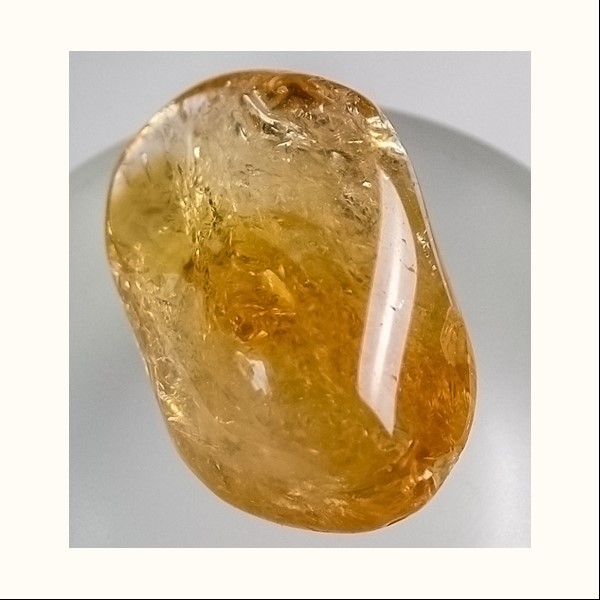
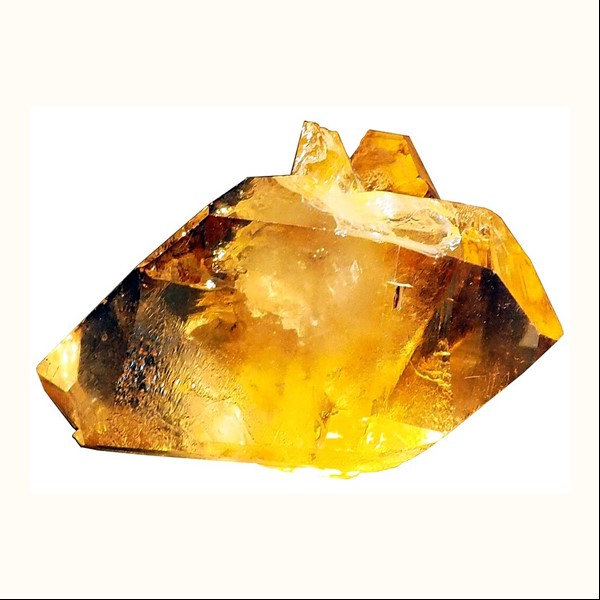
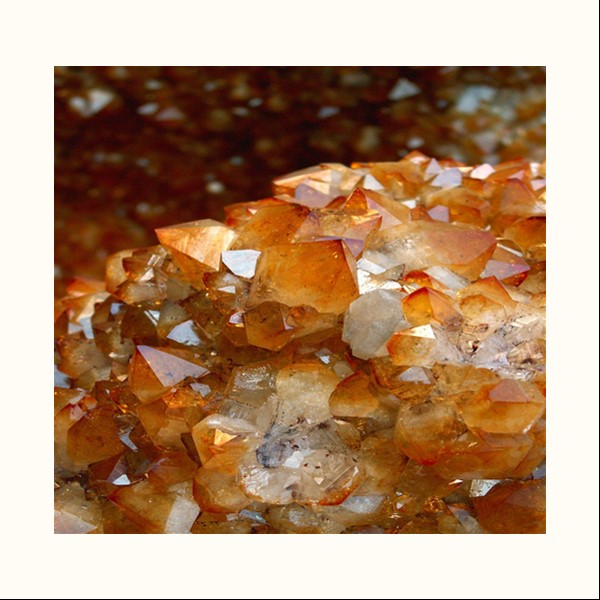
Citrine is a variety of quartz that displays beautiful colors ranging from pale yellow to deep golden orange. Known as the “stone of success” and “merchant’s stone,” citrine has been treasured for centuries for its warm, sunny color and believed to bring prosperity, energy, and positivity to its wearer.
The name “citrine” comes from the French word “citron,” meaning lemon, referring to the gem’s characteristic yellow hue. Natural citrine is relatively rare, with most commercial citrine being heat-treated amethyst or heat-treated smoky quartz. However, natural African citrine from Kenya and other regions represents some of the finest unheated citrine available worldwide.
At African Gemstone, we proudly showcase natural African citrine gemstones sourced directly from Kenya and other African regions, delivering authentic Natural African Gemstones with exceptional quality and value. Our commitment to transparency ensures you receive genuine natural citrine with full certification.
What Is Citrine? The Science Behind the Golden Quartz
Citrine is a variety of macrocrystalline quartz (SiO₂), belonging to the same mineral family as amethyst, rose quartz, and smoky quartz. The yellow to orange color in citrine is caused by traces of iron within the quartz crystal structure, along with natural irradiation that occurs over millions of years.
Key Gemological Properties of Citrine
Property | Value |
Mineral | Quartz (variety: citrine) |
Chemical Formula | SiO₂ (Silicon Dioxide) with iron traces |
Crystal System | Trigonal — singly refractive |
Mohs Hardness | 7.0 |
Color | Pale yellow to golden orange, amber, reddish-orange |
Refractive Index | 1.544 – 1.553 |
Birefringence | 0.009 |
Specific Gravity | 2.65 |
Luster | Vitreous |
Transparency | Transparent to translucent |
Pleochroism | Weak yellow to orange |
Treatments | Natural citrine is untreated; most commercial citrine is heat-treated amethyst |
Birthstone | November (alternative to topaz) |
Natural vs. Heat-Treated Citrine
Natural Citrine:
- Formed naturally through geological irradiation over millions of years
- Color ranges from pale yellow to golden orange
- Often has slight reddish or amber undertones
- Rare and valuable, especially from African sources
- Always untreated
Heat-Treated Citrine (Most Commercial Citrine):
- Created by heating amethyst (purple quartz) or smoky quartz
- Color ranges from yellow to deep orange-red
- Often has reddish or smoky undertones
- Abundant and affordable
- Treated to create citrine color
How to Identify Natural Citrine:
- Natural citrine often has slight reddish or amber undertones
- Heat-treated citrine often appears more orange or reddish-orange
- Natural citrine from Africa typically has warmer, golden tones
- Always request certification for natural citrine
Discovery and Origin: Global Sources with African Excellence
Major Mining Regions
Country | Mining Region | Characteristics |
Brazil | Rio Grande do Sul, Minas Gerais | Largest source; both natural and heat-treated citrine |
Madagascar | Various regions | Natural citrine, golden to amber tones |
Kenya | Various regions | Natural citrine, warm golden colors |
Zambia | Copperbelt region | Natural citrine, yellow to orange |
Spain | Arteijo | Historical source, small deposits |
Russia | Ural Mountains | Natural citrine, pale yellow |
United States | Arizona, North Carolina | Small deposits, natural citrine |
African Citrine: Kenya’s Golden Treasure
Kenya produces natural citrine with distinctive warm golden colors. African citrine is prized for its natural formation without heat treatment, making it rarer and more valuable than commercial heat-treated citrine.
Kenyan citrine is renowned for:
- Natural, untreated quality
- Warm golden to amber tones
- Excellent clarity and transparency
- Support for local mining economy
- Ethical, mine-direct sourcing
Why Citrine Is So Special: The Affordable Golden Gem
The gemstone world contains many yellow gems, but citrine offers a unique combination of qualities:
Exceptional Color Range
Citrine displays colors from pale lemon yellow to deep golden orange and amber. The most valuable stones exhibit rich, saturated golden-orange tones with slight reddish undertones.
Superior Affordability
Citrine is one of the most affordable colored gemstones, making it accessible to everyone. Quality citrine ranges from $30 to $300 per carat, while comparable golden sapphires can exceed $1,000 per carat.
Remarkable Durability
With a Mohs hardness of 7.0, citrine is durable enough for everyday wear in rings, earrings, pendants, and bracelets. It’s perfect for all jewelry types thanks to its good toughness.
Naturally Untreated Beauty (African Citrine)
Natural African citrine is always untreated, unlike most commercial citrine which is heat-treated amethyst. Buyers can enjoy confidence in owning a gemstone whose color is a gift of nature.
Evaluating the 4Cs of Citrine
When sourcing or investing in citrine, quality valuation depends on the classic gemological four Cs: Color, Clarity, Cut, and Carat Weight.
1. Color: The Primary Value Driver
Color is the most important factor in citrine valuation.
Attribute | Description |
Hue | Golden orange to reddish-orange is most valuable. Pale yellow is less valuable |
Tone | Ranges from light to dark. Medium to medium-dark is ideal for premium stones |
Saturation | Vivid, intense saturation commands highest prices. Deep golden-orange is most prized |
Color Grades:
- Heirloom: Deep golden-orange, highest saturation, “Madeira” color
- Best: Vivid golden-orange, strong saturation
- Better: Medium golden-yellow, good saturation
- Good: Pale yellow, lighter saturation
The deeper and more saturated the color, the more valuable the citrine. “Madeira citrine” (deep reddish-orange) is the most valuable variety.
2. Clarity: Type I Gemstone
Citrine is classified as a Type I gemstone, meaning it typically forms eye-clean with no visible inclusions.
Common inclusions under magnification:
- Veil-like inclusions
- Two-phase inclusions (rare)
- Color zoning (in some stones)
Most quality citrine is eye-clean, making it highly desirable for jewelry.
3. Cut: Maximizing Color and Brilliance
Citrine is commonly cut in traditional shapes including oval, cushion, round, and emerald. A well-cut citrine features:
- Perfect symmetry
- Tight facet alignment
- Proportional angles to maximize brilliance
- Ovals, cushions, and rounds are popular
Citrine is often cut in larger sizes because it’s affordable and available in large crystals.
4. Carat Weight: Size and Value
Citrine is available in all sizes, from small accent stones to large statement pieces:
- Small stones (under 2 carats): Readily available, very affordable
- Medium stones (2–10 carats): Good availability, moderate price
- Large stones (10–50 carats): Common, excellent value
- Extra large (50+ carats): Available, best value per carat
Citrine is one of the few gemstones where large sizes remain affordable, making it perfect for statement jewelry.
Citrine Price and Value: 2025–2026 Market Guide
Current Market Pricing (USD per Carat)
Quality | Carat Weight | Price Per Carat |
Top Quality (Deep Golden-Orange, Eye-Clean) | 5–20 carats | $100 – $300 |
High Quality (Golden-Yellow, Eye-Clean) | 3–10 carats | $50 – $150 |
Good Quality (Pale Yellow) | 1–5 carats | $30 – $80 |
Commercial Grade | Various | $20 – $50 |
Natural African Citrine Premium:
- Natural untreated citrine from Africa commands 20–50% premium over heat-treated commercial citrine
- Deep golden-orange natural citrine is especially valuable
Key value factors:
- Color intensity: Deep golden-orange commands highest prices
- Natural vs. treated: Natural African citrine is more valuable
- Clarity: Eye-clean stones are standard
- Carat weight: Larger stones offer better value per carat
Citrine vs. Golden Sapphire: Which Yellow Gem Is Right for You?
Feature | Citrine | Golden Sapphire |
Hardness | 7.0 (Good durability) | 9.0 (Excellent durability) |
Refractive Index | 1.544–1.553 | 1.762–1.770 |
Color Range | Pale yellow to golden-orange | Yellow to golden-orange to brownish-yellow |
Treatments | Most commercial is heat-treated amethyst; natural African is untreated | Often heat-treated |
Rarity | Abundant (especially heat-treated) | Rare, especially fine golden sapphire |
Price | $30–$300/ct (very affordable) | $500–$5,000+/ct (premium) |
Brilliance | Good sparkle | Excellent sparkle |
Availability | Large sizes readily available | Large fine stones are rare |
Why Choose Citrine Over Golden Sapphire?
Choose Citrine if you want:
- Exceptional affordability (comparable color at 1/10–1/20 the price)
- Large sizes available at reasonable prices
- Natural untreated quality (African citrine)
- Good durability for everyday wear
- Warm, sunny color that’s versatile
Choose Golden Sapphire if you want:
- Harder durability for everyday wear (9 vs. 7.0)
- Traditional luxury status and name recognition
- Rarity and investment potential
- Higher refractive index for more brilliance
Citrine Jewelry: Best Settings and Uses
Citrine’s hardness of 7.0 makes it suitable for all jewelry types, including everyday wear.
Popular Citrine Jewelry Applications
Jewelry Type | Why It Works |
Rings (cocktail, statement) | Good hardness for occasional wear; large stones create impact |
Earrings | Excellent choice; vibrant color creates striking effect |
Pendants (solitaire, halo) | Ideal for everyday wear; protected from impact |
Bracelets | Good durability for everyday wear |
Statement pieces | Large sizes available at affordable prices |
Whether set in yellow gold, white gold, rose gold, platinum, or sterling silver, citrine delivers a warm, luxurious appearance that complements all skin tones.
Care and Cleaning: Maintaining Your Citrine’s Beauty
Citrine is easy to care for and durable for everyday wear:
Recommended Practices ✅
- Clean with warm, sudsy water and mild soap
- Use a soft brush or cloth when necessary
- Rinse thoroughly and dry with a soft cloth
- Store separately to prevent scratching softer gems
- Inspect regularly for wear or damage
What to Avoid ❌
- Don’t expose to extreme heat (can fade color, especially heat-treated citrine)
- Don’t use harsh chemicals or bleach
- Avoid prolonged sunlight exposure (can fade color over time)
- Remove jewelry before heavy physical activity
Cleaning steps:
- Mix warm water with mild dish soap
- Soak for a few minutes
- Gently scrub with a soft brush
- Rinse thoroughly under warm water
- Dry with a soft cloth
With proper care, citrine jewelry can remain beautiful for generations.
Citrine Meaning, History, and Symbolism
Historical Significance
- Ancient Greece: Citrine was used as a healing stone and protective talisman
- Roman Empire: Citrine was carved into engraved gems for jewelry
- Victorian Era: Citrine became popular in jewelry, often set with gold
- Crystal Healing: Citrine is known as the “stone of success” and “merchant’s stone“
- November Birthstone: Officially designated as November birthstone (alternative to topaz)
Symbolic Meanings
Symbolism | Meaning |
Success and Prosperity | Known as “merchant’s stone”; brings wealth and success |
Energy and Vitality | Warm yellow color represents solar energy |
Joy and Happiness | Sunny color lifts mood and promotes positivity |
Creativity | Stimulates creative thinking and self-expression |
Confidence | Boosts self-esteem and personal power |
For those born in November, citrine symbolizes success, prosperity, and warmth. The gemstone’s sunny color reflects the optimistic and confident personality traits common to November-born individuals.
Ethical Sourcing: Mine-Direct from Africa
At African Gemstone, we source citrine directly from miners in Kenya and other African regions. Our commitment includes:
- 100% natural gemstones with full disclosure of treatments
- Ethical mining practices supporting local communities
- Full traceability from mine to market
- Certified authenticity for every stone
- Conflict-free sourcing
By buying directly from Africa, you eliminate middlemen and receive better value while supporting sustainable gemstone mining.
Why Buy Citrine from African Gemstone?
✅ Authentic African Citrine – Sourced directly from Kenya & Madagascar
✅ Natural Untreated Quality – African citrine is always natural, not heat-treated
✅ Eye-Clean Clarity – High clarity available (Type I gemstone)
✅ Exceptional Value – Affordable luxury compared to sapphire
✅ Large Sizes Available – Perfect for statement jewelry
✅ Expert Gemstone Knowledge – Personalized guidance for buyers
✅ Ethical & Sustainable – Supporting African artisanal miners
✅ Certified Authenticity – GIA, AGL, or regional laboratory reports
Kenyan Citrine- Frequently Asked Questions
- Is citrine the birthstone for November?
Yes. Citrine is an official birthstone for November (along with topaz). - Is most citrine heat-treated?
Yes. Most commercial citrine is heat-treated amethyst. However, natural African citrine is untreated and rare. - Where is natural citrine found?
Natural citrine is found in Brazil, Madagascar, Kenya, Zambia, Spain, Russia, and the United States. African citrine is prized for being natural and untreated. - Is citrine suitable for everyday wear?
Yes. With hardness of 7.0 on Mohs scale, citrine is suitable for everyday wear in earrings, pendants, and rings with proper care. - What is the most valuable citrine color?
Deep golden-orange (“Madeira citrine”) is the most valuable. The deeper and more saturated the color, the more precious it is. - How can I tell if citrine is natural or heat-treated?
Natural citrine often has slight reddish or amber undertones. Heat-treated citrine often appears more orange or reddish-orange. Always request certification for natural citrine.
References:
- Gemological Institute of America (GIA) – Citrine: Complete gemological data, properties, treatments, and natural vs. heat-treated identification- https://www.gia.edu/citrine
- International Gem Society (IGS) – Citrine Gemstone Information: Value factors, origins, care tips, and buying guide- https://www.gemsociety.org/article/citrine-gemstone-information/
- Gemstones.com – Citrine Gem Guide and Properties Chart: Complete gemological data, care instructions, and varieties- https://www.gemstones.com/gemopedia/citrine
Ready to Own Africa's Golden Sunshine?
Citrine is the most affordable golden gemstone on Earth, with warm sunny colors, good durability, and exceptional value. With its vibrant yellow-to-orange hues, accessibility in large sizes, and natural untreated quality (African citrine), citrine offers an excellent alternative to golden sapphire at a fraction of the price.
Contact African Gemstone today to inquire about our exclusive collection of Natural African Citrine. Whether you’re looking for a loose stone, custom jewelry centerpiece, or statement piece, we’re your trusted authority for African gemstones.