Green Tourmaline Gemstone: Kenya's Vibrant Emerald Alternative
Natural African Gemstones | African Gemstone
Introduction: The Rainbow Stone's Green Jewel
Few gemstones capture the diversity of nature quite like Green Tourmaline, also known as Verdelite. With its refreshing green hues ranging from light spring green to deep bottle green, this gemstone offers an attractive and affordable alternative to emerald while maintaining exceptional brilliance and durability.
Found across Africa—including Kenya, Tanzania, and Namibia—alongside Brazil and other global sources, Green Tourmaline stands out as one of the most versatile and popular green gemstones available today. At African Gemstone, we proudly showcase natural African Green Tourmaline gemstones sourced from the continent’s most respected gemstone-producing regions, delivering authentic Natural African Gemstones with exceptional quality and value.
Whether you’re a collector, jewelry designer, or gemstone enthusiast seeking an emerald alternative without the premium price tag, understanding Green Tourmaline’s unique properties, origins, and value is essential.

What Is Green Tourmaline? The Science Behind Verdelite
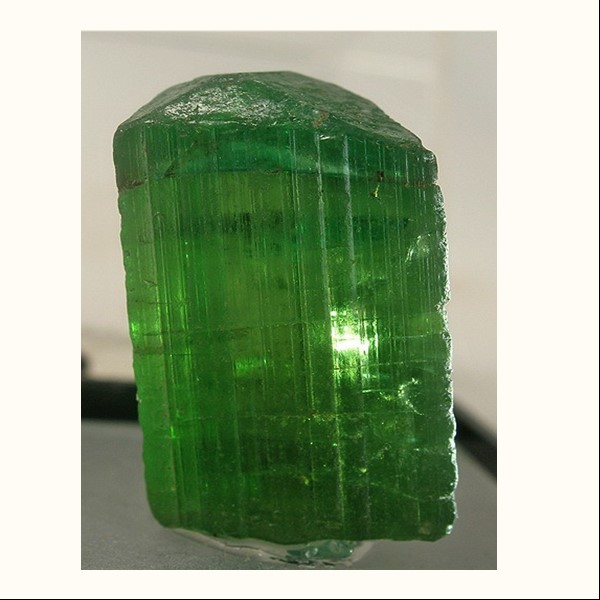
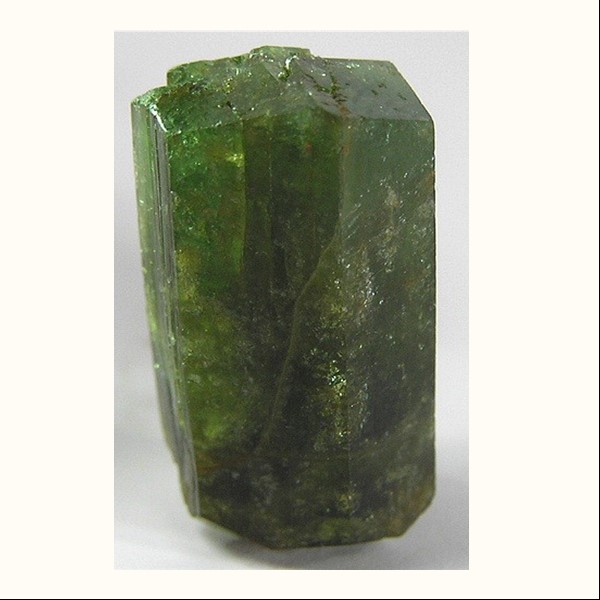
Green Tourmaline is a variety of the tourmaline mineral group, specifically the elbaite species, which accounts for nearly all gem-quality tourmaline. Tourmaline represents one of the most chemically complex and colorful mineral groups, with the word “tourmaline” deriving from the ancient Sinhalese word “turamali,” meaning “stone of many colors”.
The Chemistry of Green Color
The striking green color of Verdelite is primarily caused by traces of iron and possibly titanium within the crystal structure. This differs from emerald, which gets its green from chromium and vanadium, making Green Tourmaline a distinct gemological species with unique characteristics.
Key Gemological Properties of Green Tourmaline
Property | Value |
Mineral Class | Tourmaline (Elbaite variety) |
Chemical Formula | Na(Li₁.₅Al₁.₅)Al₆Si₆O₁₈(BO₃)₃(OH)₄ |
Crystal System | Trigonal — doubly refractive |
Mohs Hardness | 7.0 – 7.5 |
Color | Light green to vivid emerald green, bottle green, bluish-green |
Refractive Index | 1.624 – 1.644 |
Birefringence | 0.018 – 0.040 (doubly refractive) |
Specific Gravity | 3.06 (+0.20, -0.06) |
Luster | Vitreous (glassy) |
Transparency | Transparent to translucent |
Pleochroism | Strong (shows different colors from different angles) |
Treatments | Usually none — most are natural and untreated |
Birthstone | October (along with opal) |
Unique Physical Properties
Pyroelectric & Piezoelectric: Tourmaline becomes electrically charged when heated (pyroelectric) and when squeezed (piezoelectric)—a unique property no other common gemstone possesses. This ancient property led to tourmaline being used in early scientific instruments.
Three-Sided Prisms: Tourmaline crystallizes in the trigonal system, and no other common mineral has distinctive three-sided prisms—a key identifying feature for gemologists.
Strong Pleochroism: As a doubly refractive gem, Green Tourmaline displays pleochroism, showing different shades of green from different viewing angles. This can be both a beauty factor and a cutting consideration.
Discovery and Origin: Global Sources with African Excellence
Historical Discovery
- 1554: Francisco Spinoza’s expedition discovered what was called “Brazilian emerald”—the first recorded green tourmaline crystal, later identified as Green Tourmaline
- 1960s: Major Chrome Tourmaline deposits discovered in Tanzania’s Usambara Mountains
- Recent years: New discoveries in Kenya’s Taita district have produced exceptional Green Tourmaline
Major Mining Regions
Country | Mining Region | Characteristics |
Brazil | Minas Gerais | Largest source; bottle-green tourmalines, wide color range |
Tanzania | Usambara Mountains | High-quality Chrome Tourmaline; intense pure green |
Kenya | Tsavo region, Taita district | Intense green color, similar to Tanzanian, unique variations |
Namibia | Various deposits | Popular green hues |
Madagascar | Southern regions | Distinct green shades, exotic origin |
Nigeria, Mozambique | Various | Commercial green tourmaline |
Pakistan, Afghanistan | Mountain regions | Fine-quality green stones |
Kenyan Green Tourmaline: African Excellence
Kenya is an important player in Green Tourmaline production. The gemstone deposits in Kenya are often found in the Tsavo region, known for its rugged terrain and rich mineral resources. Kenyan Green Tourmaline is renowned for:
- Intense green color, similar to Tanzanian Chrome Tourmaline
- Slight variations that make each stone unique
- Excellent transparency and brilliance
- Natural, untreated quality
- Support for local mining economy
Tanzania remains the leading exporter of high-quality Chrome Tourmaline, with its deposits becoming synonymous with premium green tourmaline since the 1960s discovery.
Why Green Tourmaline Is Special: The Emerald Alternative
The gemstone world contains many green gems, but very few possess the combination of qualities found in Green Tourmaline:
Exceptional Color Range
Green Tourmaline displays colors from fresh spring green to vibrant emerald green to deep bottle green. The most valuable stones exhibit rich, pure green tones without excessive yellow or brown modifiers. Chrome Tourmaline, a deep pure green variety, is especially prized.
Superior Affordability
Unlike emerald, which commands premium prices, Green Tourmaline offers exceptional value with comparable beauty and durability. Top-quality green tourmalines range from $300 to $600 per carat, while Chrome Tourmaline can reach up to $800 per carat—still significantly below emerald pricing.
Naturally Untreated Beauty
One of Green Tourmaline’s greatest advantages is that most quality stones are typically untreated. Unlike many colored gemstones that undergo enhancement processes, Green Tourmaline’s beauty is usually entirely natural. Buyers can enjoy confidence in owning a gemstone whose color and clarity are gifts of nature.
Remarkable Durability
With a Mohs hardness of 7.0–7.5, Green Tourmaline is durable enough for everyday wear in rings, earrings, pendants, and bracelets. It’s perfect for earrings, pendants, and a good choice for rings too, thanks to the internal strength of the gemstone.
Evaluating the 4Cs of Green Tourmaline
When sourcing or investing in Green Tourmaline, quality valuation depends on the classic gemological four Cs: Color, Clarity, Cut, and Carat Weight.
1. Color: The Primary Value Driver
Color is the most important factor in Green Tourmaline valuation.
Attribute | Description |
Hue | Pure green is most valuable. Minor yellowish or bluish modifiers are acceptable |
Tone | Ranges from light to dark. Medium to medium-dark is ideal for premium stones |
Saturation | Vivid, intense saturation commands highest prices. Chrome Tourmaline has the most saturated pure green |
Color Categories:
- Good: Bright light green, apparent inclusions, entry-level for fine jewelry
- Better: Medium green hue, noticeable inclusions
- Best: Vivid green hue with slight inclusions, high brilliance
- Heirloom: Vivid green, slight inclusions, highest brilliance, world’s highest quality
2. Clarity: Eye-Clean Standard
Green tourmalines are generally Type II gemstones, meaning they naturally form with some inclusions. Fine-quality stones should be eye-clean (no inclusions visible to the naked eye).
Common inclusions under magnification:
- Needle-like inclusions
- Feather inclusions
- Growth tubes
- Color zoning (common in tourmaline)
Large cracks or surface-reaching inclusions significantly lower value.
3. Cut: Maximizing Color and Brilliance
Tourmaline crystals are often long and slender, leading cutters to produce slender finished stones to preserve carat weight. A well-cut Green Tourmaline features:
- Perfect symmetry
- Tight facet alignment
- Proportional angles to eliminate “windowing”
- Ovals, cushions, and emerald cuts are popular
Proper cutting maximizes the inherent color and brilliance while minimizing pleochroism effects.
4. Carat Weight: Size and Value
Tourmalines come in all shapes and sizes. Value change for size varies with variety:
- Small stones (under 2 carats): Readily available, affordable
- Medium stones (2–5 carats): Good availability, moderate premium
- Large stones (over 5 carats): Less common, significant premium
For reference, an extra fine 3.00–4.99-carat green tourmaline colored by iron has a wholesale price range of $400 to $600/carat.
Green Tourmaline Price and Value: 2025–2026 Market Guide
Current Market Pricing (USD per Carat)
Quality | Carat Weight | Price Per Carat |
Top Quality (Vivid Green, Chrome Tourmaline) | 3–5 carats | $400 – $800 |
High Quality (Medium Green, Eye-Clean) | 2–4 carats | $300 – $600 |
Good Quality (Light Green, Some Inclusions) | 1–3 carats | $100 – $300 |
Commercial Grade | Various | $100 – $200 |
Key value factors:
- Color intensity: Vivid, saturated green commands highest prices
- Chrome content: Chrome Tourmaline (pure green) is most valuable at up to $800/ct
- Clarity: Eye-clean stones are standard for high-quality pieces
- Origin: Tanzanian and Kenyan Chrome Tourmaline are particularly sought after
- No treatments: Most are natural and untreated
Green Tourmaline is considered an excellent entry-level investment for collectors seeking affordable green gemstones with growth potential. Prices vary significantly from as low as $100 per carat for dravite varieties to over $1,000 per carat for premium neon shades.
Green Tourmaline vs. Emerald: Which Green Gem Is Right for You?
Feature | Green Tourmaline | Emerald (Beryl) |
Hardness | 7.0–7.5 (Good durability) | 7.5–8.0 (More brittle) |
Refractive Index | 1.624–1.644 | 1.57–1.58 |
Treatments | Usually none (most natural) | High (99% oil/resin infilled) |
Clarity | Generally eye-clean | Heavily fractured (“jardin”) |
Refraction | Double (pleochroic) | Double (pleochroic) |
Price | $300–$800/ct (affordable) | $2,000–$10,000+/ct (premium) |
Brilliance | Excellent sparkle | Moderate (due to inclusions) |
Durability | Very good for everyday wear | More fragile (brittle) |
Color Range | Light to dark green | Bluish-green to green |
Why Choose Green Tourmaline Over Emerald?
Choose Green Tourmaline if you want:
- Better affordability (comparable beauty at 1/3–1/10 the price)
- Natural, untreated beauty (most stones are untreated)
- Cleaner stones (eye-clean standard vs. emerald’s jardin)
- Good durability for everyday wear
- Wider color range from light to deep green
Choose Emerald if you want:
- Traditional luxury status and name recognition
- The classic “emerald green” significance
Despite having similar colors and hardness, these gems are not commonly sold as substitutes because tourmaline is far more affordable and abundant.
Green Tourmaline Jewelry: Best Settings and Uses
Green Tourmaline’s hardness of 7.0–7.5 and good toughness make it suitable for all jewelry styles.
Popular Jewelry Applications
Jewelry Type | Why It Works |
Rings (engagement, cocktail, statement) | Good hardness for everyday wear; excellent emerald alternative |
Earrings | Exceptional sparkle; even smaller stones create striking impact |
Pendants (solitaire, halo) | Vivid green color stands out beautifully |
Bracelets (matched sets) | Creates luxurious and distinctive collections |
Whether set in yellow gold, white gold, platinum, or sterling silver, Green Tourmaline delivers a sophisticated and unmistakably luxurious appearance.
Is Green Tourmaline suitable for engagement rings? Yes. With hardness of 7–7.5 on the Mohs scale, Green Tourmaline is durable enough for many engagement ring designs when properly cared for.
Care and Cleaning: Maintaining Your Green Tourmaline’s Beauty
Green Tourmaline is very wearable and easy to care for:
Recommended Practices ✅
- Clean with warm, sudsy water and mild soap
- Use a soft brush or cloth when necessary
- Rinse thoroughly and dry with a soft cloth
- Store separately from harder gemstones to prevent scratching
- Inspect regularly for wear or damage
What to Avoid ❌
- Don’t use steam cleaners (avoid sudden temperature changes)
- Don’t use ultrasonic cleaners (can cause stress)
- Don’t use harsh chemicals or bleach
- Avoid exposure to extreme temperatures
- Remove jewelry before heavy physical activity
Cleaning steps:
- Mix warm water with mild dish soap
- Soak for a few minutes
- Gently scrub with a soft brush
- Rinse thoroughly under warm water
- Dry with a soft cloth
With proper care, Green Tourmaline jewelry can remain beautiful for generations.
Ethical Sourcing: Mine-Direct from East Africa
At African Gemstone, we source Green Tourmaline directly from artisanal miners in Kenya and Tanzania. Our commitment includes:
- 100% natural, untreated gemstones
- Ethical mining practices supporting local communities
- Full traceability from mine to market
- Certified authenticity for every stone
- Conflict-free sourcing
By buying mine-direct from East Africa, you eliminate middlemen and receive better value while supporting sustainable gemstone mining. Chrome Tourmaline mining in Tanzania and Kenya has played a crucial role in the local economy, providing income and development for rural communities.
Why Buy Green Tourmaline from African Gemstone?
✅ Authentic African Tourmaline – Sourced directly from Kenya & Tanzania
✅ Untreated & Natural – Most stones are 100% natural, no enhancements
✅ Eye-Clean Quality – High clarity available
✅ Competitive Pricing – Exceptional value compared to emerald
✅ Chrome Tourmaline Available – Premium pure green variety up to $800/ct
✅ Expert Gemstone Knowledge – Personalized guidance for collectors
✅ Ethical & Sustainable – Supporting East African artisanal miners
✅ Transparent Sourcing – Full traceability information
Beware of Imitations: How to Spot Genuine Green Tourmaline
Because of Green Tourmaline’s value, buyers should be aware of common imitations:
- Green glass
- Synthetic cubic zirconia
- Green garnet (Tsavorite) masquerading as tourmaline
- Chrome diopside
Key identification features:
- Double line at every facet junction (doubly refractive)
- Refractive index: 1.62–1.66
- Hardness: 7.0–7.5 on Mohs scale
- Strong pleochroism (different colors from different angles)
Always ensure your purchase is accompanied by an independent gemological report from a recognized laboratory (such as GIA, AGL, or ICA).
Green Tourmaline- Frequently Asked Questions
- Is Green Tourmaline the same as Emerald?
No. Green Tourmaline (Verdelite) is a completely different mineral species (tourmaline vs. beryl). While they share similar green colors, they have different chemistry, hardness, and optical properties. - Is Green Tourmaline rare?
Green Tourmaline is more abundant than emerald but Chrome Tourmaline (deep pure green) is rare and highly sought-after. - Does Green Tourmaline receive treatments?
Most Green Tourmaline is sold untreated, making it highly desirable among collectors seeking natural gems. - Where is Green Tourmaline found?
Major deposits are in Brazil, Tanzania, Kenya, Namibia, Madagascar, Nigeria, Mozambique, Pakistan, and Afghanistan. - Is Green Tourmaline suitable for everyday wear?
Yes. With hardness of 7–7.5 on the Mohs scale, Green Tourmaline is durable enough for everyday wear in rings, earrings, and pendants when properly cared for. - What is Chrome Tourmaline?
Chrome Tourmaline is a deep, pure green variety of tourmaline colored by chromium. It’s rare and can go for up to $800 per carat.
Ready to Own Africa’s Vibrant Green Gem?
Green Tourmaline is the ultimate affordable green gemstone for collectors and jewelry lovers seeking beauty, durability, and value. With its refreshing green hues, exceptional brilliance, good durability, and mostly natural untreated beauty, Green Tourmaline offers an excellent alternative to emerald at a fraction of the price.
Contact African Gemstone today to inquire about our exclusive collection of Natural African Green Tourmaline. Whether you’re looking for a loose stone, custom jewelry centerpiece, or investment-grade piece, we’re your trusted authority for East African gemstones.
References:
- Gemological Institute of America (GIA) – What Is Tourmaline Gemstone: Mineral chemistry, hardness, optical properties, and history
https://www.gia.edu/tourmaline - Gemstones.com – Tourmaline Gem Guide and Properties Chart: Complete gemological data, care instructions, and varieties
https://www.gemstones.com/gemopedia/tourmaline - The Natural Gemstone Company – Major Chrome Tourmaline Mining Areas: Tanzania, Kenya, Madagascar, and Brazil sources
https://naturalgemstones.com/education/major-chrome-tourmaline-mining-areas/ - International Colored Gemstone Association (ICA) – Green Tourmaline Information and Properties
https://www.gemstone.org/green-tourmaline - Venus in Libra – Tourmaline Prices in 2025: Market Trends and Value Insights
https://venus-in-libra.com/blogs/news/tourmaline-prices-market-trends-and-value-insights - The Rare Gemstone Company – Chrome Tourmaline Pricing and Value Information
https://www.theraregemstonecompany.com/tourmaline
Ready to Own Africa's Vibrant Green Gem?
Green Tourmaline is the ultimate affordable green gemstone for collectors and jewelry lovers seeking beauty, durability, and value. With its refreshing green hues, exceptional brilliance, good durability, and mostly natural untreated beauty, Green Tourmaline offers an excellent alternative to emerald at a fraction of the price.
Contact African Gemstone today to inquire about our exclusive collection of Natural African Green Tourmaline. Whether you’re looking for a loose stone, custom jewelry centerpiece, or investment-grade piece, we’re your trusted authority for East African gemstones.