Tanzanite Gemstone: Africa's Blizzard-Birthed Blue Treasure
Natural African Gemstones | African Gemstone
Introduction: The Rarest Blue Gemstone on Earth
Tanzanite is one of the most rare and precious gemstones on the planet, found only in a single 4-square-mile area near Mount Kilimanjaro in Tanzania, Africa. This extraordinary blue-to-violet gemstone was discovered in 1967, making it one of the youngest gemstones ever found. In just over 50 years, Tanzanite has captivated the world with its stunning blue-violet color and exceptional rarity.
Tanzanite is marketed as a particularly valuable alternative to sapphire, offering a more saturated blue-violet hue at a lower price point. The gemstone’s pleochroic nature means it displays three different colors—blue, violet, and burgundy—depending on the viewing angle, creating a unique and mesmerizing visual effect.
At African Gemstone, we proudly showcase natural African Tanzanite gemstones sourced directly from Tanzania, delivering authentic Natural African Gemstones with exceptional quality and value. Our commitment to ethical sourcing and transparency ensures you receive genuine Tanzanite with full certification.
What Is Tanzanite? The Science Behind the Blue Miracle
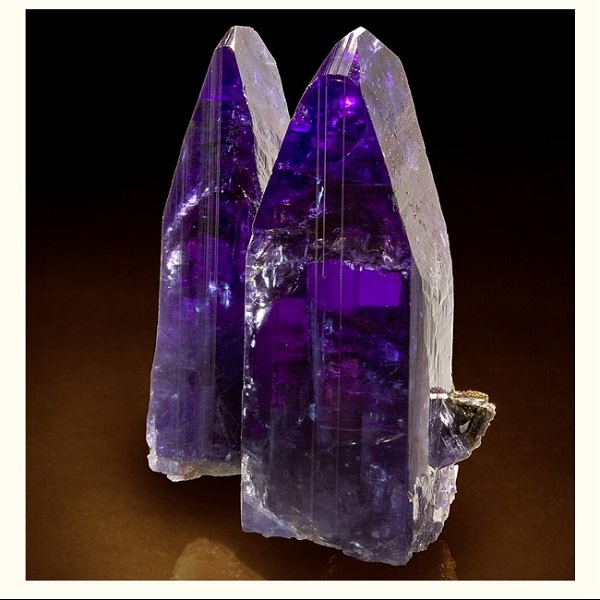
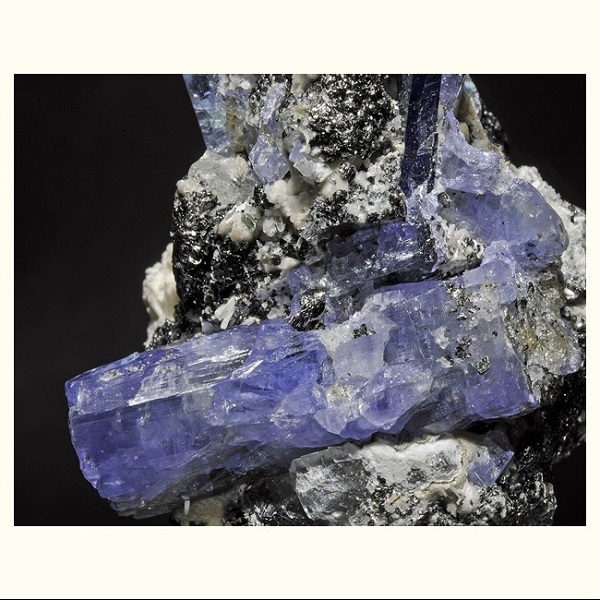
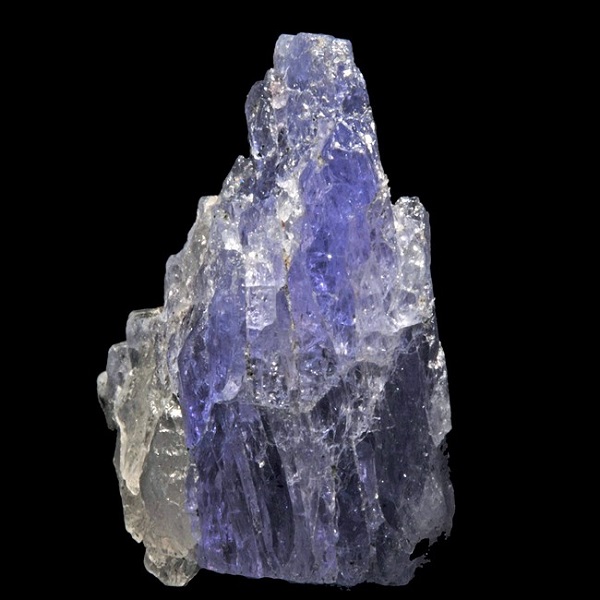
Tanzanite is a blue-to-violet variety of the mineral zoisite, specifically the groatular-grossular variety. Though it belongs to the zoisite family, which includes many different colors, only the blue-violet variety is called Tanzanite.
The Discovery Story
- 1967: Manuel d’Souza, a Tanzanian tailor and prospector, discovered blue crystals near Mount Kilimanjaro in the Merelani Hills
- Originally thought to be sapphire, but gemologists identified it as zoisite
- 1968: Tiffany & Co. named it “Tanzanite” after its country of origin and launched it globally
- December 1968: Officially introduced to the world at Tiffany’s New York salon
- 2002: Designated as an official birthstone for December (along with zircon and turquoise)
Key Gemological Properties of Tanzanite
Property | Value |
Mineral | Zoisite (variety: tanzanite) |
Chemical Formula | Ca₂Al₃(SiO₄)₃(OH) |
Crystal System | Orthorhombic — triple refractive (trichroic) |
Mohs Hardness | 6.5 – 7.0 |
Color | Blue to violet, sometimes with burgundy undertones |
Refractive Index | 1.691 – 1.700 |
Birefringence | 0.009 – 0.013 |
Specific Gravity | 3.35 – 3.38 |
Luster | Vitreous |
Transparency | Transparent to translucent |
Pleochroism | Strong trichroism: blue, violet, burgundy |
Treatments | 98%+ heat-treated to reveal blue color |
Birthstone | December |
The Mystery of Pleochroism
Tanzanite is trichroic, meaning it displays three different colors when viewed from different angles:
- Blue (most prized)
- Violet
- Burgundy/Reddish-brown
This strong pleochroism is Tanzanite’s most distinctive gemological feature. The stone’s color literally changes depending on how you hold it, creating a dynamic, living gemstone that captivates viewers.
Why Most Tanzanite Is Heat-Treated
98%+ of all Tanzanite is heat-treated to bring out its signature blue-violet color. In its natural state, zoisite is typically yellow, brown, or green. Heating the stone to approximately 500°C triggers a color change, revealing the blue-violet hue that makes Tanzanite famous.
This heat treatment is stable and permanent, considered standard practice in the industry. Untreated blue Tanzanite is extremely rare and commands significant premiums.
Discovery and Origin: The Only Place on Earth
The Single Source: Merelani Hills, Tanzania
Tanzanite is found in only one location on Earth: a 4-square-mile mining area in the Merelani Hills near Arusha, Tanzania, at the foot of Mount Kilimanjaro. This extraordinary geological concentration makes Tanzanite 1,000 times rarer than diamond.
Mining Regions
Mining Zone | Location | Characteristics |
Merelani Hills | Arusha Region, Tanzania | Only source; blue-violet Tanzanite, 4 square miles total |
Zone A | Northern Merelani | Smaller stones, lighter color |
Zone B | Central Merelani | Medium-quality stones, mixed colors |
Zone C | Southern Merelani | Finest quality; deep blue-violet, larger stones |
Zone D | Eastern Merelani | Mixed quality, variable color |
The geological conditions required to form Tanzanite are extraordinarily rare. The gemstone formed approximately 585 million years ago when intense heat from a magma intrusion altered zoisite deposits during the Pan-African orogeny (mountain-building event).
Why Tanzanite Will Eventually Become Extinct
Because Tanzanite is found in only one location and mining is exhausting the supply, experts predict that high-quality Tanzanite will become extremely rare within 10–20 years. Some estimates suggest the mines could be completely depleted by 2030–2040, making current Tanzanite a future collector’s item.
Why Tanzanite Is So Special: The Blue Miracle
The gemstone world contains many blue gems, but very few possess the combination of qualities found in Tanzanite:
Exceptional Color Saturation
Tanzanite displays colors ranging from light blue to deep, vivid blue-violet. The most valuable stones exhibit rich, saturated blue with violet undertones. Some of the finest Tanzanite is marketed as “Vivid Blue” or “Violet-Blue”.
Superior Brilliance
With a refractive index of 1.691–1.700, Tanzanite has excellent brilliance and sparkle. The stone’s high luster and transparency create a gem-like appearance that rivals sapphire and tanzanite’s larger competitors.
Affordable Luxury
Unlike sapphire, which commands premium prices, Tanzanite offers exceptional value with comparable beauty and superior color saturation. Quality Tanzanite ranges from $100 to $600 per carat, while fine blue stones can reach $800–$1,200 per carat—still significantly below sapphire pricing.
Remarkable Rarity
Tanzanite is 1,000 times rarer than diamond, found in only one 4-square-mile area on Earth. This extraordinary scarcity makes Tanzanite a true collector’s gem and an excellent investment for those seeking unique, rare gemstones.
Evaluating the 4Cs of Tanzanite
When sourcing or investing in Tanzanite, quality valuation depends on the classic gemological four Cs: Color, Clarity, Cut, and Carat Weight.
1. Color: The Primary Value Driver
Color is the most important factor in Tanzanite valuation.
Attribute | Description |
Hue | Blue-violet is most valuable. Pure blue is increasingly rare and precious |
Tone | Ranges from light to dark. Medium to medium-dark is ideal for premium stones |
Saturation | Vivid, intense saturation commands highest prices. The bluer the better |
Color Grades:
- Heirloom: Deep blue-violet, highest saturation, world’s finest quality
- Best: Vivid blue-violet, slight violet undertone
- Better: Medium blue-violet, noticeable violet
- Good: Light blue-violet, more violet than blue
The bluer the Tanzanite, the more valuable it is. Pure blue stones (without violet undertones) are extremely rare and command significant premiums.
2. Clarity: Type I Gemstone
Tanzanite is generally classified as a Type I gemstone, meaning it typically forms eye-clean with no visible inclusions.
Common inclusions under magnification:
- Needle-like inclusions
- Color zoning
- Small fractures (rare)
Most quality Tanzanite is eye-clean, making it highly desirable for jewelry.
3. Cut: Maximizing Color and Brilliance
Tanzanite crystals are often elongated, leading cutters to produce oval, cushion, and pear shapes to preserve carat weight. A well-cut Tanzanite features:
- Perfect symmetry
- Tight facet alignment
- Proportional angles to eliminate “windowing”
- Ovals, cushions, and emerald cuts are popular
Proper cutting maximizes the inherent blue color and minimizes violet/burgundy pleochroism effects.
4. Carat Weight: Size and Value
Tanzanite comes in various sizes, with larger stones becoming increasingly rare:
- Small stones (under 2 carats): Readily available, affordable
- Medium stones (2–5 carats): Good availability, moderate premium
- Large stones (over 5 carats): Less common, significant premium
- Extra large (10+ carats): Very rare, highest premium
Value increases with size, particularly for deep blue stones over 5 carats.
Tanzanite Price and Value: 2025–2026 Market Guide
Current Market Pricing (USD per Carat)
Quality | Carat Weight | Price Per Carat |
Top Quality (Vivid Blue, Eye-Clean) | 3–5 carats | $600 – $1,200 |
High Quality (Blue-Violet, Eye-Clean) | 2–4 carats | $300 – $600 |
Good Quality (Light Blue-Violet) | 1–3 carats | $100 – $300 |
Commercial Grade | Various | $50 – $150 |
Key value factors:
- Color intensity: Vivid blue commands highest prices (not violet)
- Treatment: 98%+ are heat-treated (standard); untreated is extremely rare
- Clarity: Eye-clean stones are standard for high-quality pieces
- Origin: All Tanzanite comes from Tanzania (single source)
- Carat weight: Larger stones are exponentially rarer
Tanzanite is considered an excellent investment for collectors seeking rare, finite gemstones. With mining operations expected to deplete within 10–20 years, Tanzanite’s value is projected to increase significantly.
Tanzanite vs. Sapphire: Which Blue Gem Is Right for You?
Feature | Tanzanite | Sapphire (Blue) |
Hardness | 6.5–7.0 (Good durability) | 9.0 (Excellent durability) |
Refractive Index | 1.691–1.700 | 1.762–1.770 |
Pleochroism | Trichroic (blue, violet, burgundy) | Dichroic (blue, greenish-blue) |
Color Range | Blue-violet (unique) | Blue to violet-blue |
Treatments | 98%+ heat-treated (standard) | Often heat-treated |
Rarity | 1,000× rarer than diamond (single source) | More abundant (multiple sources) |
Price | $100–$1,200/ct (affordable luxury) | $300–$10,000+/ct (premium) |
Brilliance | Excellent sparkle | Excellent sparkle |
Durability | Good for occasional wear | Excellent for everyday wear |
Why Choose Tanzanite Over Sapphire?
Choose Tanzanite if you want:
- Unique color (blue-violet, not found in other gems)
- Better affordability (comparable beauty at 1/3–1/10 the price)
- Exceptional rarity (1,000× rarer than diamond)
- Strong brilliance and sparkle
- Investment potential (finite supply, depleting mines)
Choose Sapphire if you want:
- Harder durability for everyday wear (9 vs. 6.5–7.0)
- Traditional luxury status and name recognition
- Wider availability of larger stones
Tanzanite Jewelry: Best Settings and Uses
Tanzanite’s hardness of 6.5–7.0 makes it suitable for jewelry that won’t experience heavy daily wear. While durable enough for most jewelry, it requires more care than sapphire or diamond.
Popular Tanzanite Jewelry Applications
Jewelry Type | Why It Works |
Earrings | Excellent choice; minimal impact risk |
Pendants (solitaire, halo) | Ideal for everyday wear; protected from impact |
Rings (occasional wear, cocktail) | Good for special occasions; avoid daily wear |
Bracelets (delicate) | Use with caution; protective settings recommended |
Best practices for Tanzanite rings:
- Use protective settings (bezel, halo)
- Reserve for occasional wear rather than daily
- Avoid hard impacts or heavy physical activity
Whether set in yellow gold, white gold, platinum, or sterling silver, Tanzanite delivers a sophisticated and unmistakably luxurious appearance.
Care and Cleaning: Maintaining Your Tanzanite’s Beauty
Tanzanite requires gentle care due to its moderate hardness and sensitivity to sudden temperature changes:
Recommended Practices ✅
- Clean with lukewarm, sudsy water and mild soap
- Use a soft brush or cloth when necessary
- Rinse thoroughly and dry with a soft cloth
- Store separately from harder gemstones to prevent scratching
- Inspect regularly for wear or damage
- Remove jewelry before heavy physical activity
What to Avoid ❌
- Don’t use steam cleaners (sudden temperature changes can cause fractures)
- Don’t use ultrasonic cleaners (can cause stress or fractures)
- Don’t use harsh chemicals or bleach
- Avoid exposure to extreme temperatures
- Avoid sudden temperature changes (thermal shock)
Cleaning steps:
- Mix lukewarm water with mild dish soap
- Soak for a few minutes
- Gently scrub with a soft brush
- Rinse thoroughly under lukewarm water
- Dry with a soft cloth
With proper care, Tanzanite jewelry can remain beautiful for generations.
Ethical Sourcing: Mine-Direct from Tanzania
At African Gemstone, we source Tanzanite directly from licensed miners in Tanzania’s Merelani Hills. Our commitment includes:
- 100% natural gemstones with full disclosure of treatments
- Ethical mining practices supporting local communities
- Full traceability from mine to market
- Certified authenticity for every stone
- Conflict-free sourcing
By buying directly from Tanzania, you eliminate middlemen and receive better value while supporting sustainable gemstone mining and local Tanzanian communities.
Why Buy Tanzanite from African Gemstone?
✅ Authentic African Tanzanite – Sourced directly from Merelani Hills, Tanzania
✅ Treatment Disclosure – Full transparency on heat treatment (98%+ are treated)
✅ Eye-Clean Quality – High clarity available (Type I gemstone)
✅ Competitive Pricing – Exceptional value compared to sapphire
✅ Rare Blue Stones – Vivid blue variety available (increasingly rare)
✅ Expert Gemstone Knowledge – Personalized guidance for collectors
✅ Ethical & Sustainable – Supporting Tanzanian artisanal miners
✅ Certified Authenticity – GIA, AGL, or regional laboratory reports
Beware of Imitations: How to Spot Genuine Tanzanite
Because of Tanzanite’s value, buyers should be aware of common imitations:
- Blue sapphire (less violet, harder)
- Blue topaz (less saturated, cheaper)
- Iolite (similar pleochroism, but different refractive index)
- Synthetic spinel (no pleochroism)
- Glass imitations (too soft, no natural inclusions)
Key identification features:
- Strong trichroism: Blue, violet, burgundy (unique to Tanzanite)
- Refractive index: 1.691–1.700
- Hardness: 6.5–7.0 on Mohs scale
- Specific gravity: 3.35–3.38
Always ensure your purchase is accompanied by an independent gemological report from a recognized laboratory (such as GIA, AGL, or SGS).
Tanzanite- Frequently Asked Questions
- Is Tanzanite rarer than diamond?
Yes. Tanzanite is 1,000 times rarer than diamond, found in only one 4-square-mile area on Earth. - Does Tanzanite receive treatments?
98%+ of all Tanzanite is heat-treated to reveal its blue-violet color. This is standard, stable, and permanent. Untreated blue Tanzanite is extremely rare. - Where is Tanzanite found?
Only in Tanzania, specifically the Merelani Hills near Arusha, at the foot of Mount Kilimanjaro. This is the only place on Earth. - Is Tanzanite suitable for everyday wear?
Tanzanite is suitable for earrings, pendants, and occasional-wear rings. Due to its 5–7.0 hardness, it’s not recommended for daily-wear rings that experience heavy impact. - What is the best Tanzanite color?
Vivid blue (with minimal violet) is the most valuable. The bluer the Tanzanite, the more precious it is. - Will Tanzanite become extinct?
Mining operations are exhausting the supply, and experts predict high-quality Tanzanite will become extremely rare within 10–20 years. Some estimates suggest mines could be completely depleted by 2030–2040.
References:
- International Colored Gemstone Association (ICA) – Tanzanite Information: Complete gemological data, properties, and history- https://www.gemstone.org/tanzanite
- Gemstones.com – Tanzanite Gem Guide and Properties Chart: Complete gemological data, care instructions, and varieties- https://www.gemstones.com/gemopedia/tanzanite
- Tanzanite Foundation – Tanzanite Value, Price, and Jewelry Information: Origin, grading, and investment guide- https://www.tanzanitefoundation.com
- Brilliant Earth – December Birthstone Guide: Tanzanite history, meaning, and symbolism- https://www.brilliantearth.com/news/the-history-and-meaning-of-the-december-birthstone/
- The Tanzanite Company – Tanzanite Pricing and Value Information: Market trends and investment potential- https://www.thetanzanitecompany.com
Ready to Own Africa's Rarest Blue Gem?
Tanzanite is the rarest blue gemstone on Earth, found in only one 4-square-mile area in Tanzania. With its stunning blue-violet color, exceptional brilliance, and extraordinary rarity (1,000× rarer than diamond), Tanzanite offers a unique investment opportunity for collectors and jewelry lovers seeking something truly one-of-a-kind.
Contact African Gemstone today to inquire about our exclusive collection of Natural African Tanzanite. Whether you’re looking for a loose stone, custom jewelry centerpiece, or investment-grade piece, we’re your trusted authority for Tanzanian gemstones.