Author name: Target Point Digital

Gold Sheen Sapphire Gemstone
Gems

Gold Sheen Sapphire

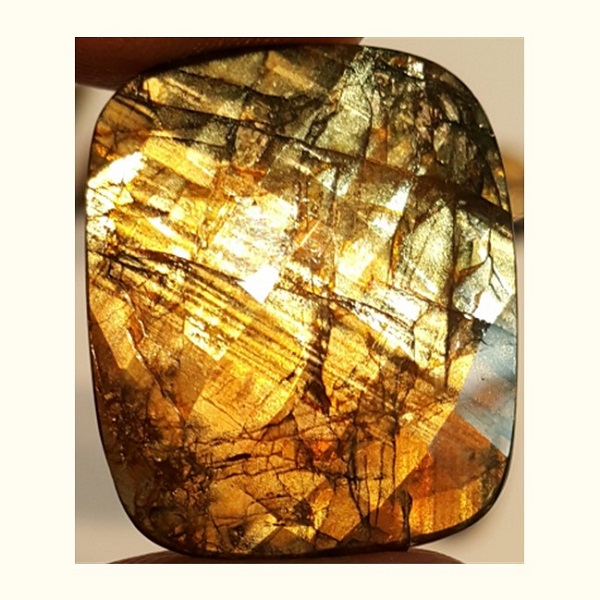
Gold Sheen Sapphire is a variety of corundum (Al₂O₃) that displays a distinctive golden reflective effect caused by microscopic inclusions, typically hematite, ilmenite, or other mineral platelets within the gemstone.
Unlike star sapphires, which display a distinct star-shaped phenomenon, Gold Sheen Sapphire exhibits a broad golden glow or sheen that appears to move across the stone as it is rotated under light.
Blue Sapphire gemstone
Gems

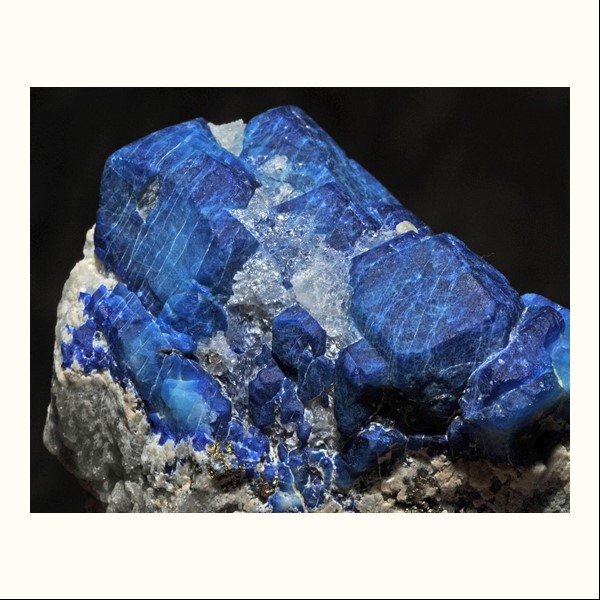
Blue Sapphire

Blue Sapphire is the blue variety of the mineral corundum (Al₂O₃). Corundum is the second-hardest natural gemstone after diamond, making sapphire one of the most durable gemstones available for jewelry.

The blue color results from trace amounts of iron and titanium interacting within the crystal lattice. Variations in these trace elements create the wide spectrum of blue sapphire shades, ranging from light cornflower blue to deep royal blue.

Black Tourmaline gemstone
Gems

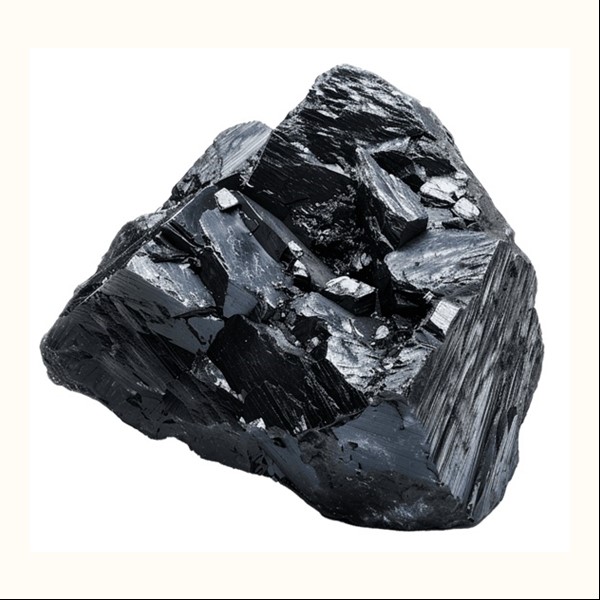
Black Tourmaline

Black Tourmaline is the iron-rich variety of the mineral group known as tourmaline. Its black coloration results from high concentrations of iron within its crystal structure.

Colour Change Spinel
Gems

Color Change Spinel

Color Change Spinel is a rare variety of spinel (MgAl₂O₄) that exhibits color change due to traces of cobalt and chromium. The cobalt creates the blue color in daylight, while chromium produces the purple/violet color under incandescent light.

Spinel
Gems

Spinel

Spinel is a magnesium aluminum oxide that forms in limestone and marble deposits through metamorphic processes. Its wide color range comes from traces of different elements: chromium (red), cobalt (blue), iron (dark tones), and manganese (pink).

Red Garnet Gemstone
Uncategorized

Red Garnet

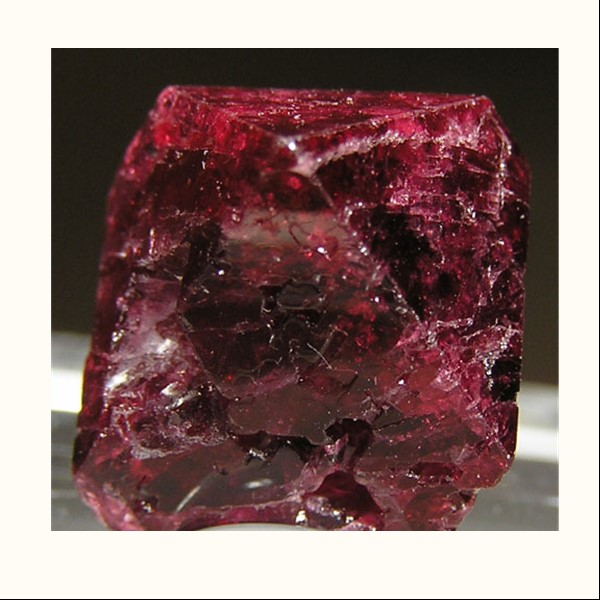
Red garnet belongs to the garnet mineral group, which includes several distinct varieties. The most common red garnets are almandine (iron-aluminum garnet) and pyrope (magnesium-aluminum garnet), both colored by traces of iron.

Green Emerald
Uncategorized

Emerald

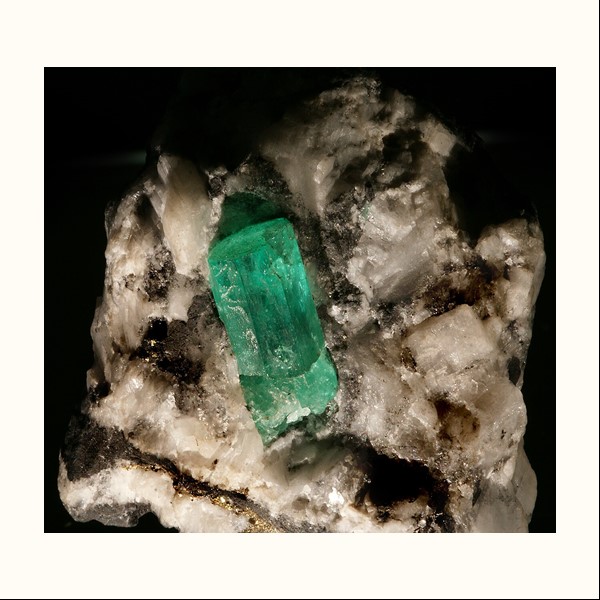
Emerald is gem-quality green beryl, deriving its characteristic color from chromium and/or vanadium traces. All other color varieties of gem-quality beryl are classified as beryl (such as aquamarine, morganite, or heliodor), but only the green variety is called emerald.

Citrine Gemstone
Uncategorized

Citrine

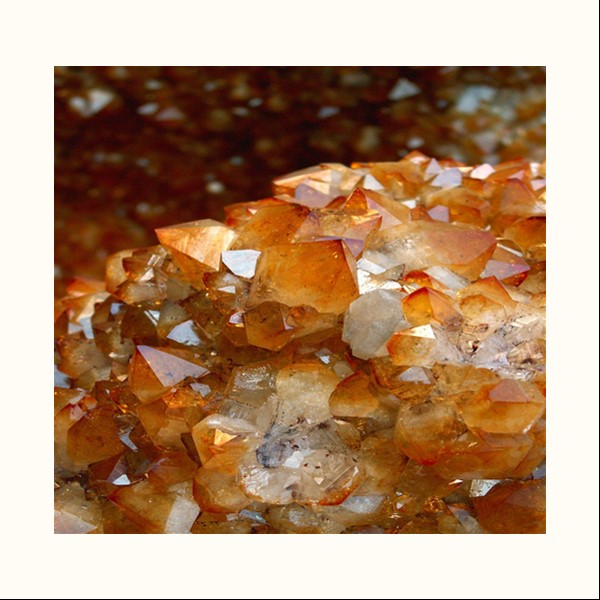
Citrine is a variety of macrocrystalline quartz (SiO₂), belonging to the same mineral family as amethyst, rose quartz, and smoky quartz. The yellow to orange color in citrine is caused by traces of iron within the quartz crystal structure, along with natural irradiation that occurs over millions of years.

Tanzanite Gemstone
Uncategorized

Tanzanite

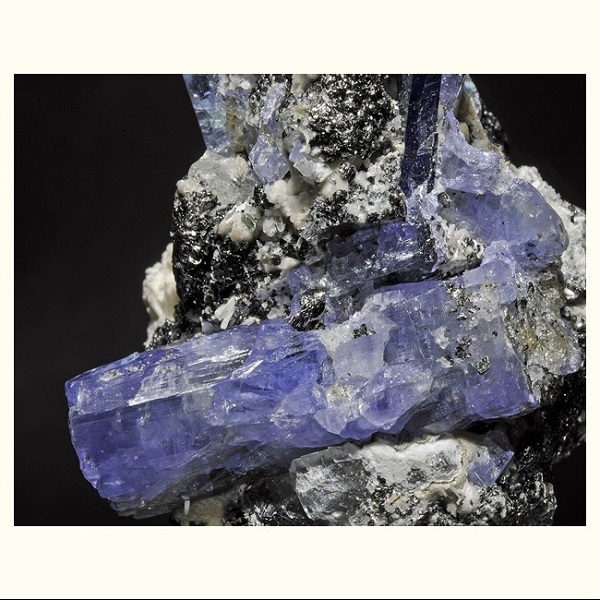
Tanzanite is a blue-to-violet variety of the mineral zoisite, specifically the groatular-grossular variety. Though it belongs to the zoisite family, which includes many different colors, only the blue-violet variety is called Tanzanite.

Ruby gemstone
Uncategorized

Kenyan Ruby

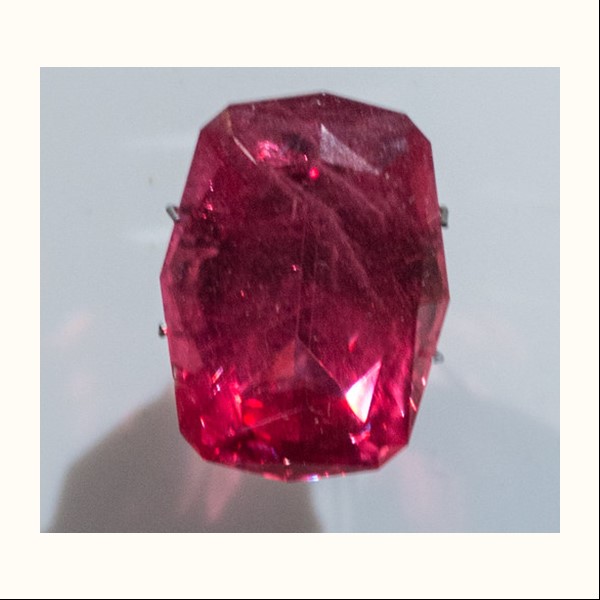
Ruby is gem-quality red corundum (Al₂O₃), deriving its characteristic color from chromium traces. All other color varieties of gem-quality corundum are classified as sapphire. Most gemological authorities expect a medium to medium-dark red color tone in a genuine ruby. Stones with lighter coloration are designated as pink sapphire, though there’s no universal agreement on where to draw this line.

Scroll to Top