Red Garnet
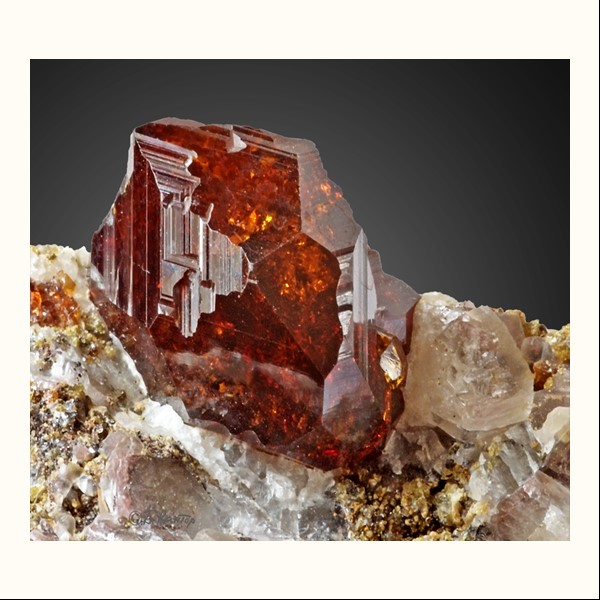
Red garnet belongs to the garnet mineral group, which includes several distinct varieties. The most common red garnets are almandine (iron-aluminum garnet) and pyrope (magnesium-aluminum garnet), both colored by traces of iron.
Red garnet belongs to the garnet mineral group, which includes several distinct varieties. The most common red garnets are almandine (iron-aluminum garnet) and pyrope (magnesium-aluminum garnet), both colored by traces of iron.
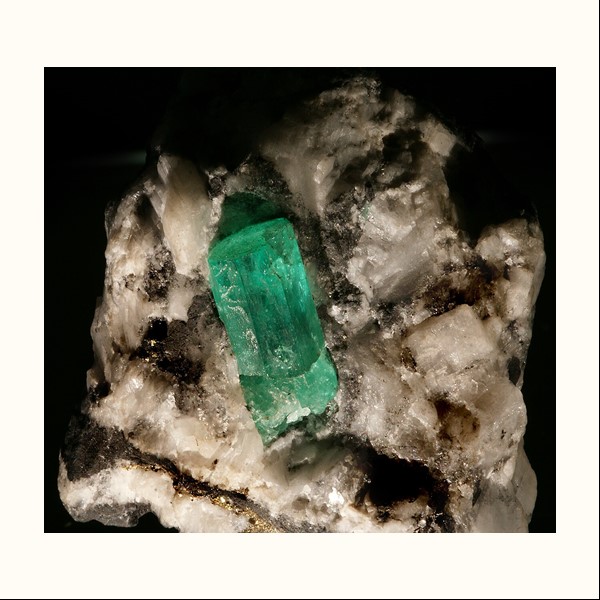
Emerald is gem-quality green beryl, deriving its characteristic color from chromium and/or vanadium traces. All other color varieties of gem-quality beryl are classified as beryl (such as aquamarine, morganite, or heliodor), but only the green variety is called emerald.
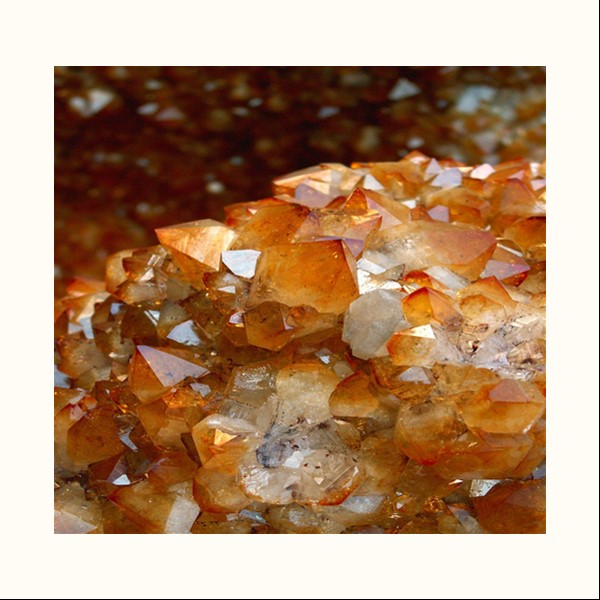
Citrine is a variety of macrocrystalline quartz (SiO₂), belonging to the same mineral family as amethyst, rose quartz, and smoky quartz. The yellow to orange color in citrine is caused by traces of iron within the quartz crystal structure, along with natural irradiation that occurs over millions of years.
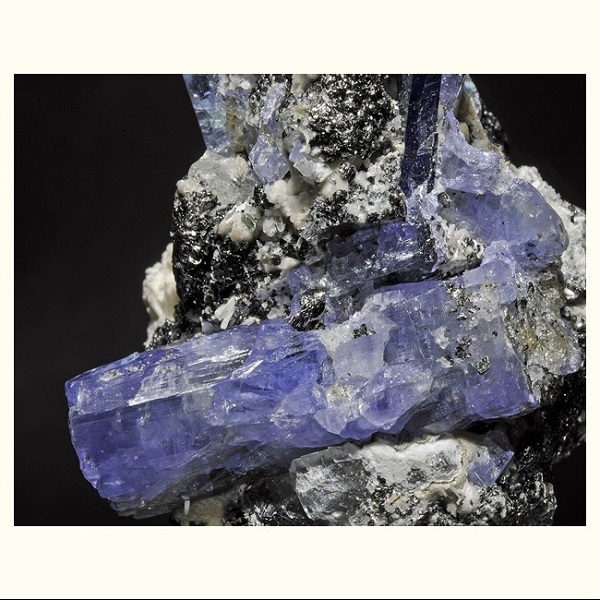
Tanzanite is a blue-to-violet variety of the mineral zoisite, specifically the groatular-grossular variety. Though it belongs to the zoisite family, which includes many different colors, only the blue-violet variety is called Tanzanite.
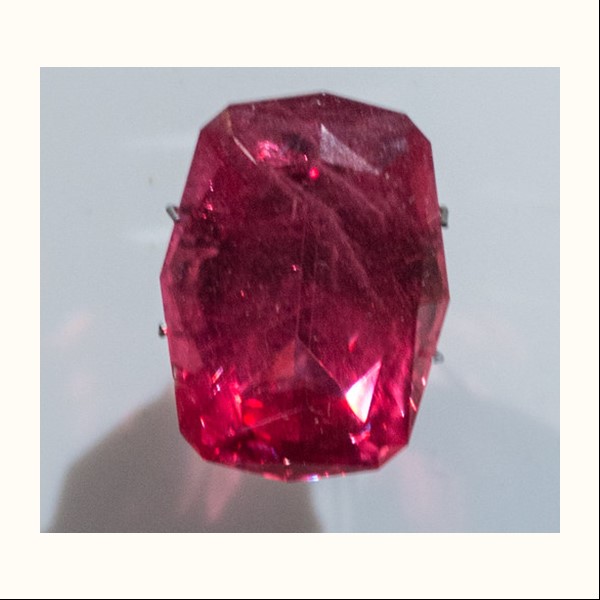
Ruby is gem-quality red corundum (Al₂O₃), deriving its characteristic color from chromium traces. All other color varieties of gem-quality corundum are classified as sapphire. Most gemological authorities expect a medium to medium-dark red color tone in a genuine ruby. Stones with lighter coloration are designated as pink sapphire, though there’s no universal agreement on where to draw this line.
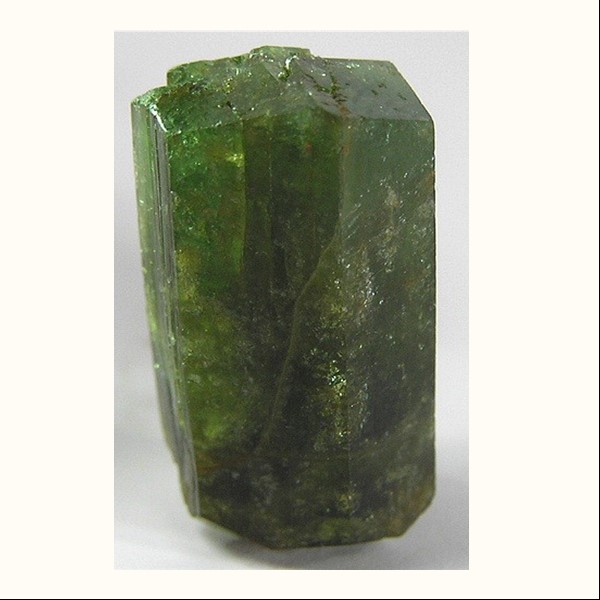
Green Tourmaline is a variety of the tourmaline mineral group, specifically the elbaite species, which accounts for nearly all gem-quality tourmaline. Tourmaline represents one of the most chemically complex and colorful mineral groups, with the word “tourmaline” deriving from the ancient Sinhalese word “turamali,” meaning “stone of many colors”.
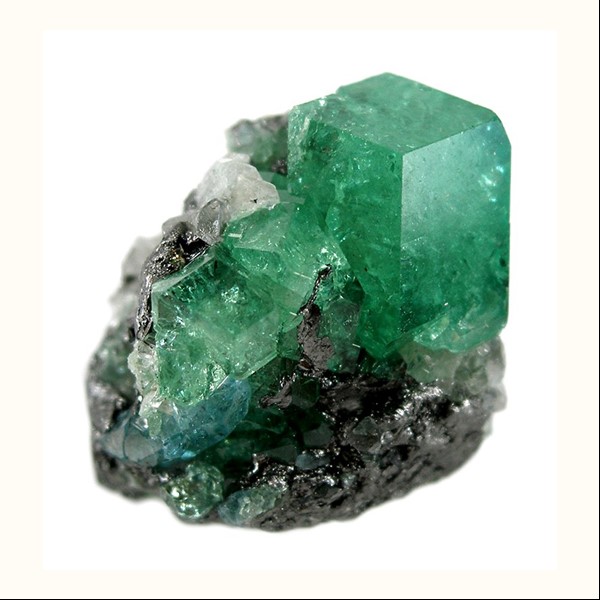
Green Garnet (Tsavorite) is the premium, emerald-green variety of grossular garnet, a calcium-aluminum silicate mineral species (Ca₃Al₂(SiO₄)₃) and member of the garnet group. Its intense, vivid green saturation is primarily caused by trace amounts of vanadium and chromium substituting into the crystal lattice during formation under high-grade metamorphic conditions—the same elements responsible for emerald’s green color.